

![]() | ![]() ![]() | |
|
| ||
|
|
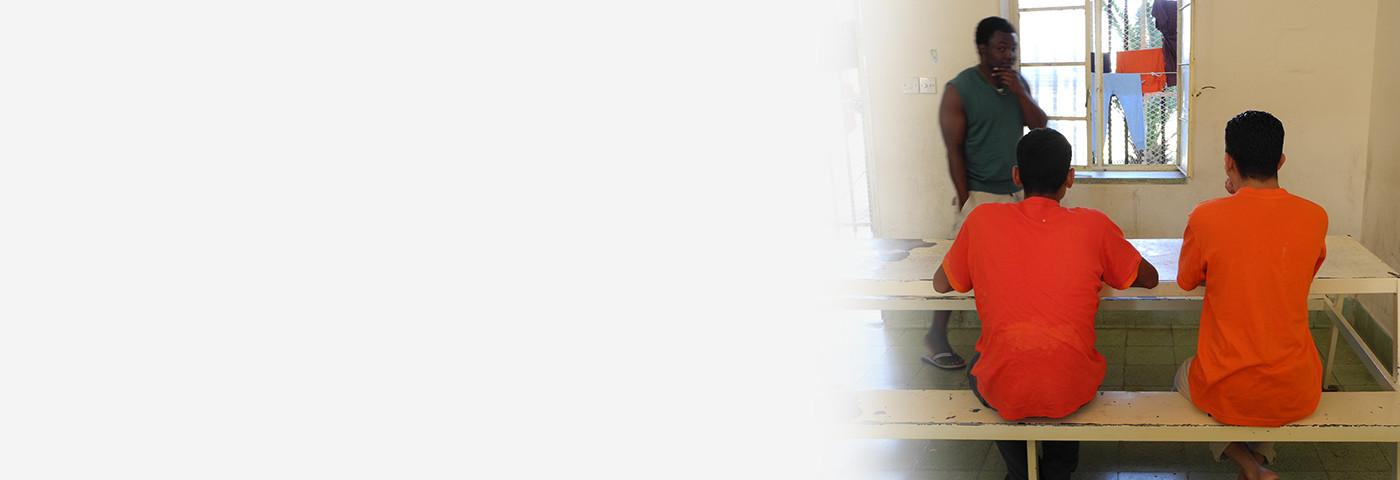
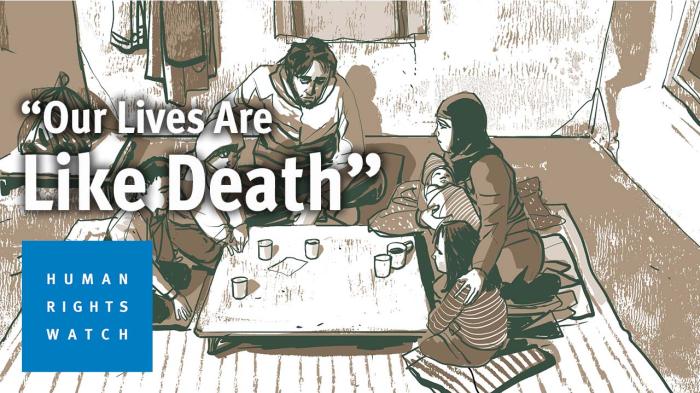
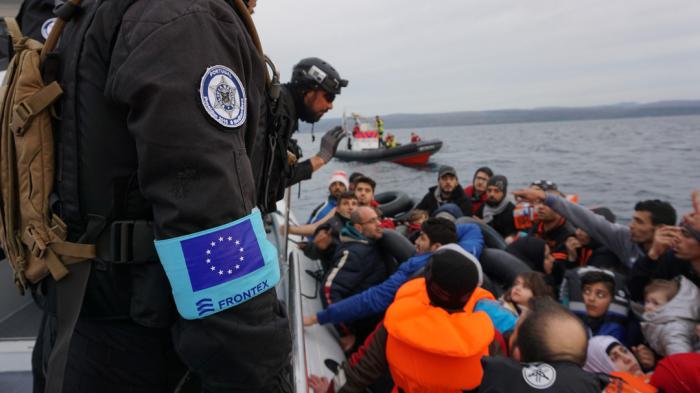
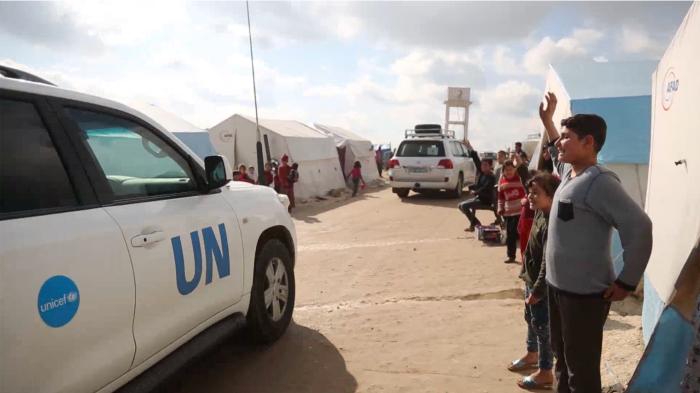
Children's Rights > Refugee, Displaced, and Migrant Children Refugee, Displaced, and Migrant ChildrenRefugee, internally displaced, and migrant children are among the world's most vulnerable populations and are at particular risk of abuse when they are separated from their parents and other caregivers. Refugee children suffer from war or other forms of persecution in their countries of origin, and many refugee children continue to suffer human rights abuses in countries of asylum. More than half of the world's refugees are children, yet their rights and special protection needs as children are frequently neglected. The human rights abuses that drive children into flight are only the first chapter of hardship for many refugee children. Even after traveling across an international border to seek refuge, they remain vulnerable to hazardous labor exploitation, physical abuse, denial of education, routine detention, sexual violence and exploitation, cross-border attacks, militarization of refugee camps, and recruitment as child soldiers. Internally displaced children and their families often confront urgent challenges in providing for their basic necessities after they have been forcibly displaced from their homes. Displaced children are entitled to attend schools after displacement, but in practice they face significant hurdles in continuing their education. Some children are turned away because they are asked to produce school records or forms of identification they no longer possess. Others are denied enrollment because schools have no room for them. In many cases, the matriculation fees and related costs of schooling prevent them from attending. Because internally displaced persons have not crossed an international border, they are not refugees as that term is used in international law, and the international protections offered to refugees do not apply to them. Their situation as internally displaced persons is addressed in a separate, nonbinding set of international standards, contained in the Guiding Principles on Internal Displacement. Migrant children cross international borders for a variety of reasons. Many seek economic opportunities as they escape poverty and abusive environments. They are routinely treated foremost as illegal immigrants rather than children entitled to and in need of protection. The routine and widespread use of detention of migrant children is not only in itself often a breach of international obligations but may lead to additional abuses if migrant children are mixed with adult or criminal populations or subjected to punitive measures such as solitary confinement. Detention often results in additional restrictions on their right to education and on their assistance needs as a result of trauma, abuse, neglect and exploitation. Child asylum seekers face particular challenges in their attempt to gain access to a host country after fleeing countries torn by war, ethnic strife, and grave human rights abuse. Often, there are restrictions on the child asylum seekers' rights to basic material support, such as food and housing. In some cases, child asylum seekers as young as four have been frequently interviewed without a lawyer or guardian present. Moreover, Human Rights Watch received a number of reports of asylum interviews with children that focused on detailed questions that were inappropriate in light of the children's age and maturity. Please see the following reports for more information: Refugees HRW Focus on Human Rights: Civil War in Sierra Leone Forgotten Children of War: Sierra Leonean Refugee Children in Guinea Sierra Leonean Refugee Children Neglected Parties to Sierra Leone War Urged Not to Recruit Child Soldiers Internally Displaced Children Migrant Children http://www.hrw.org/reports/2003/netherlands0403/ Children in Detention More Information:
| |||||||||
|
Contribute to Human Rights Watch
Home | About Us | News Releases | Publications | About HRW | Info by Country | Global Issues | Campaigns | Free Mailing Lists | Community | Store | Film Festival | Search | Site Map | Contact Us | Press Contacts | Privacy Policy © Copyright 2006, Human Rights Watch 350 Fifth Avenue, 34th Floor New York, NY 10118-3299 USA |