Skip to cookie privacy notice Skip to main content
Human Rights Watch

Share this via Facebook Share this via Bluesky Share this via X Share this via WhatsApp Share this via Email More sharing options Share this via LinkedIn Share this via Reddit Share this via Telegram Share this via Printer

  • English
  • العربية
  • 简体中文
  • Français
  • Deutsch
  • Português
  • Русский
  • Español
Donate Now
Would you like to read this page in another language?
Yes
Two Years After #MeToo Erupts, A New Treaty Anchors Workplace Shifts

Two Years After #MeToo Erupts, A New Treaty Anchors Workplace Shifts

Shutting Down the Internet to Shut Up Critics

Shutting Down the Internet to Shut Up Critics

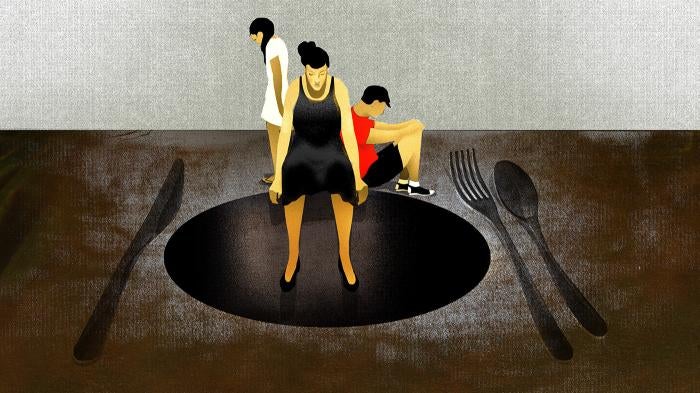
Going to the Bank for Food, Not Money: The Growing Reality of Hunger in “Rich” Countries

Going to the Bank for Food, Not Money: The Growing Reality of Hunger in “Rich” Countries

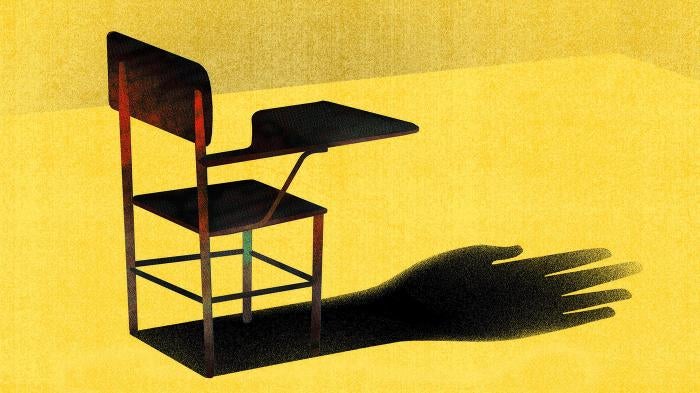
With Millions Out of School, the Countdown Begins to Get All Children into Quality, Accessible Education

With Millions Out of School, the Countdown Begins to Get All Children into Quality, Accessible Education

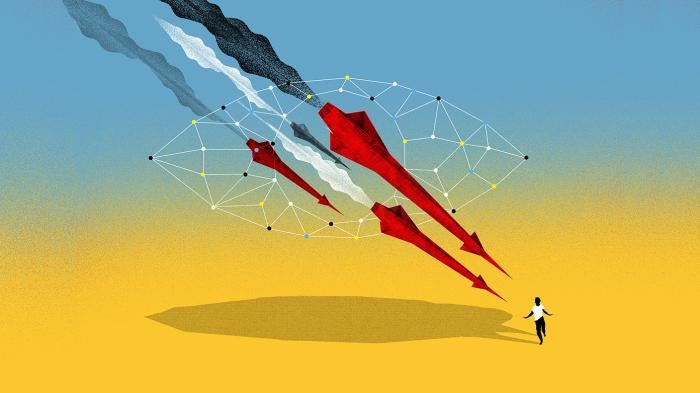
As Killer Robots Loom, Demands Grow to Keep Humans in Control of Use of Force

As Killer Robots Loom, Demands Grow to Keep Humans in Control of Use of Force

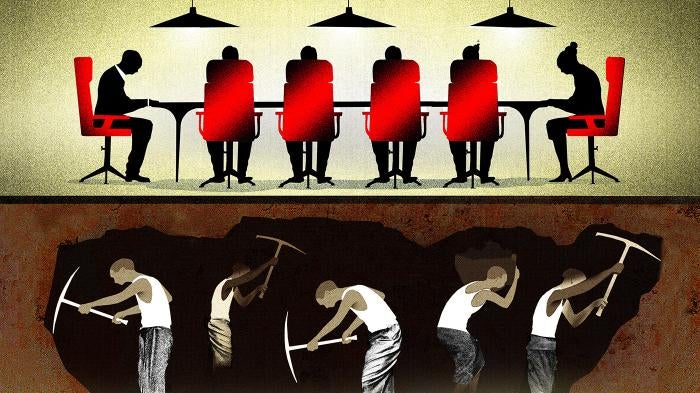
Holding Companies to Account: Momentum Builds for Corporate Human Rights Duties

Holding Companies to Account: Momentum Builds for Corporate Human Rights Duties

video & image galleries

Forest Guardians
202001AME_Brazil_photo01

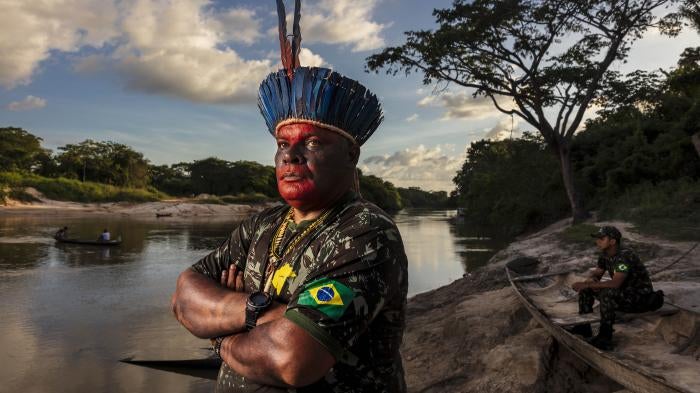
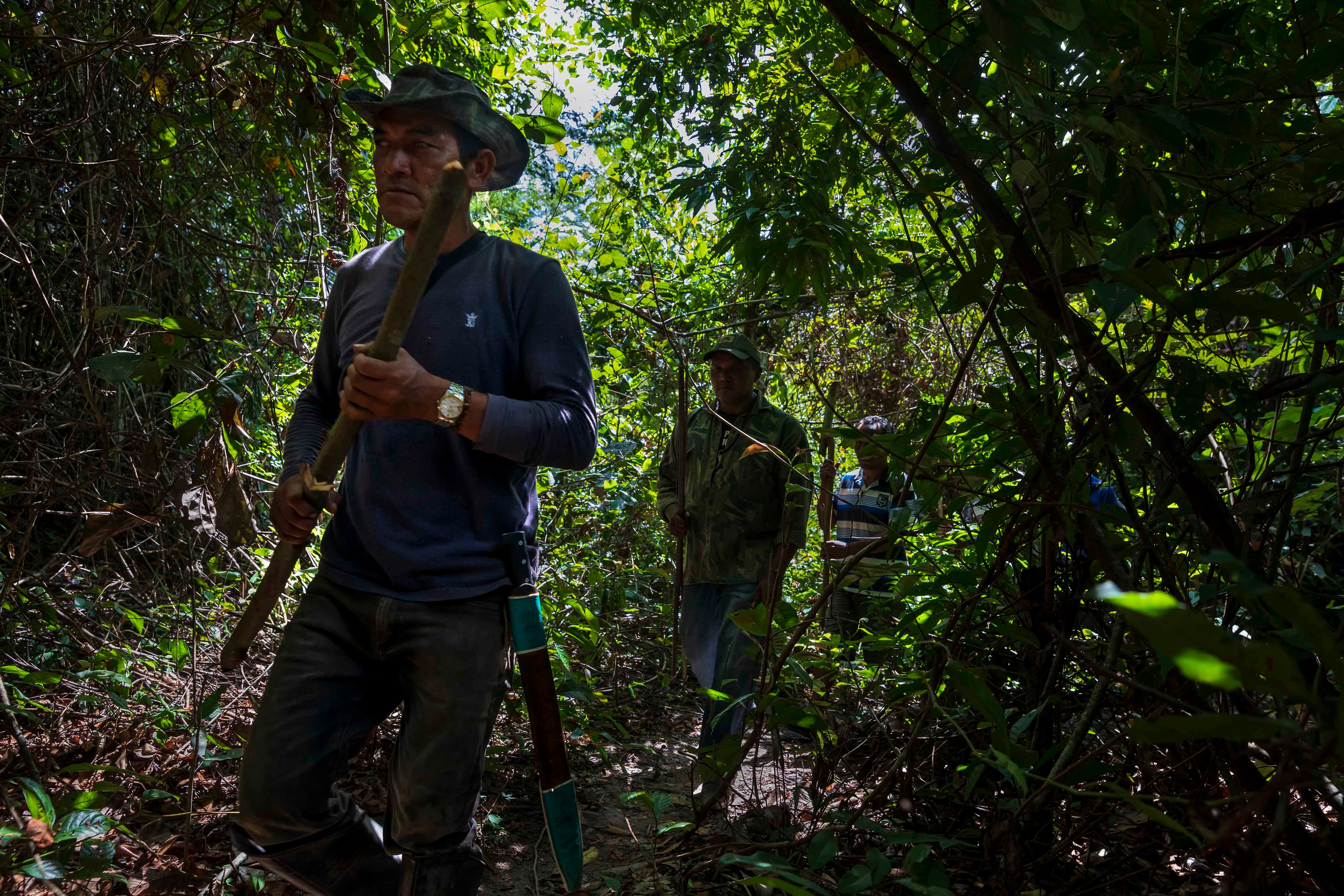
Franciel Souza Guajajara, then coordinator of the Wazayzar, or “keepers of the culture,” of Araribóia Indigenous Territory, in Maranhão State, leads a group of guardians on a foot patrol near the village of Lagoa Comprida in June 2018. The Wazayzar of the Tenetehara Indigenous people patrol the territory and report the illegal logging they encounter to authorities.

© 2018 Brent Stirton/Getty Images for Human Rights Watch
202001AME_Brazil_photo01

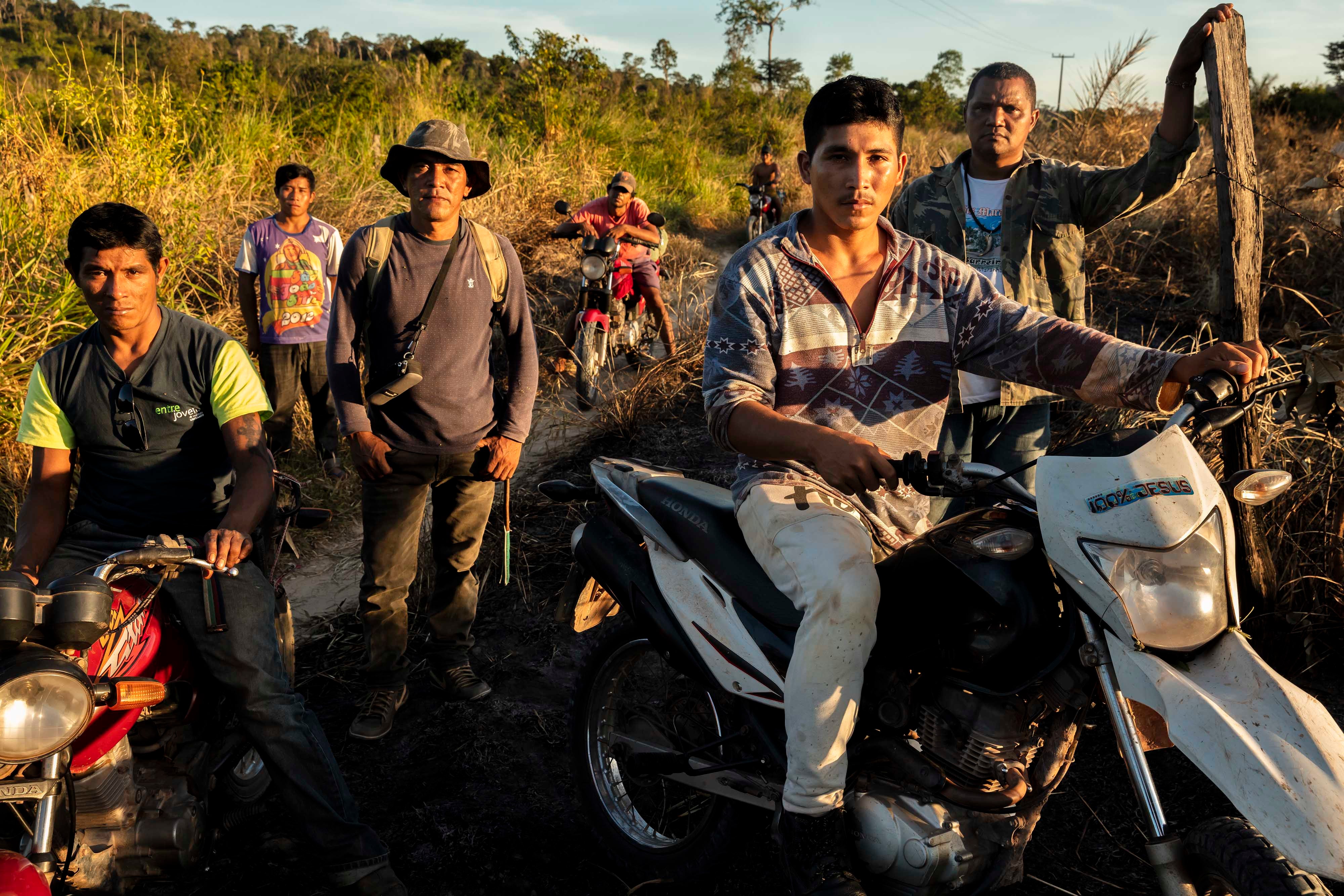
Members of the Wazayzar.

© 2018 Brent Stirton/Getty Images for Human Rights Watch
202001AME_Brazil_photo01

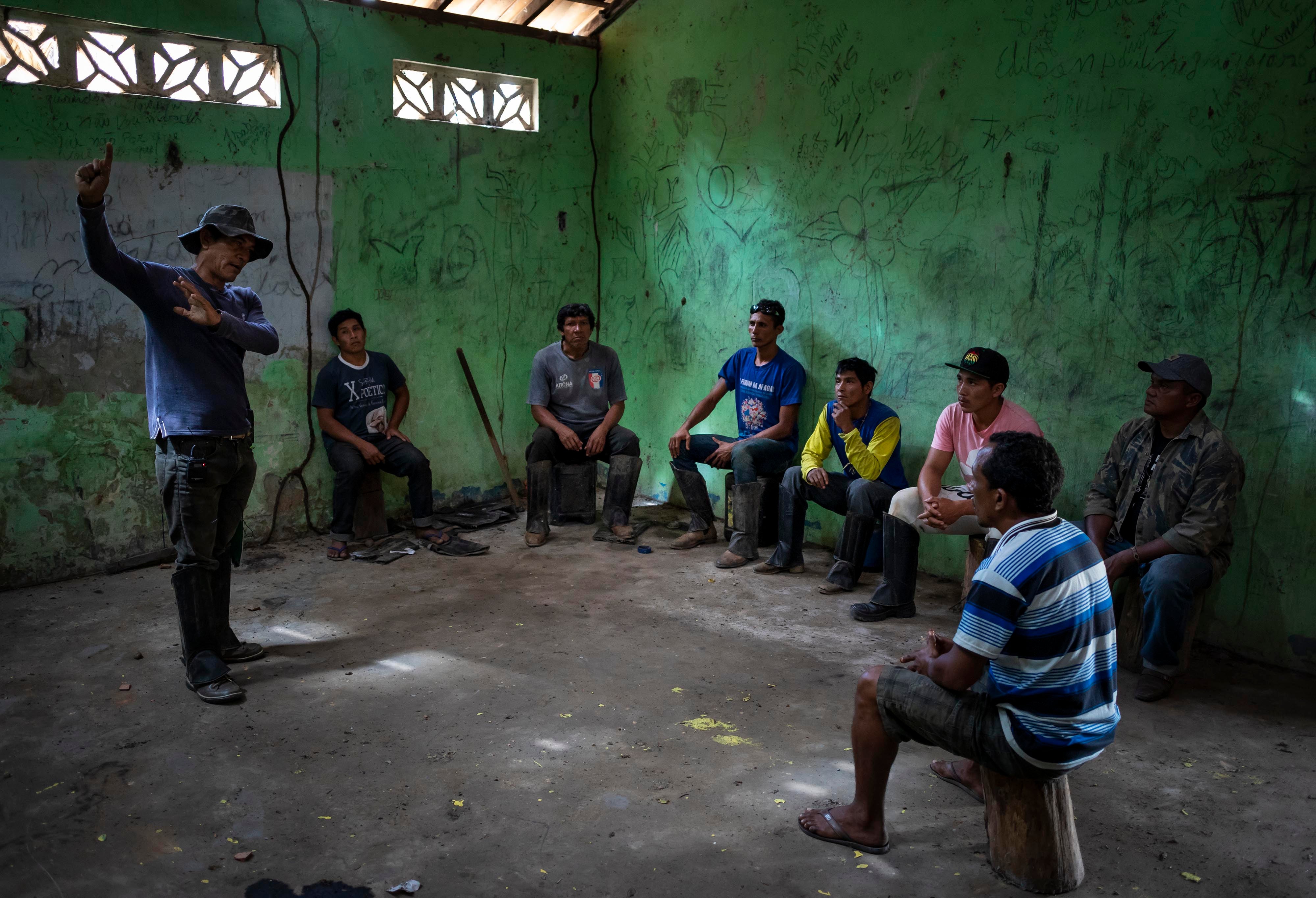
Franciel Souza Guajajara leads a meeting of the Wazayzar  before setting out on patrol in the village of Lagoa Comprida in June 2018.

© 2018 Brent Stirton/Getty Images for Human Rights Watch
202001AME_Brazil_photo01

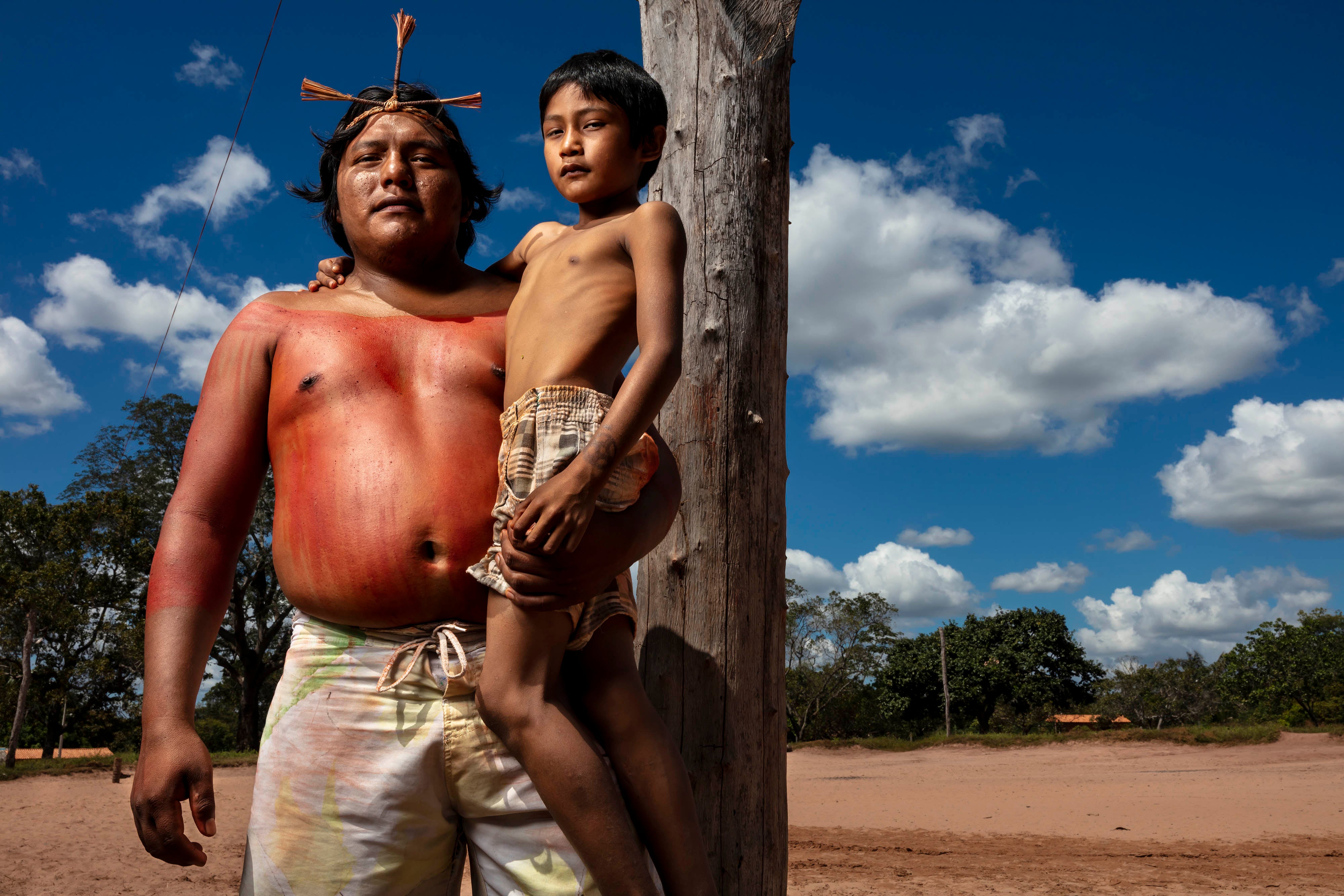
Eýy Cy, 31, holds his son in the main square of Governador village, where he is chief, in Governador Indigenous Territory in Maranhão State in June 2018. The Pyhcop Catiji people who live there have set up a group of “Forest Guardians,” who patrol the forest to detect illegal logging.

© 2018 Brent Stirton/Getty Images for Human Rights Watch
202001AME_Brazil_photo01

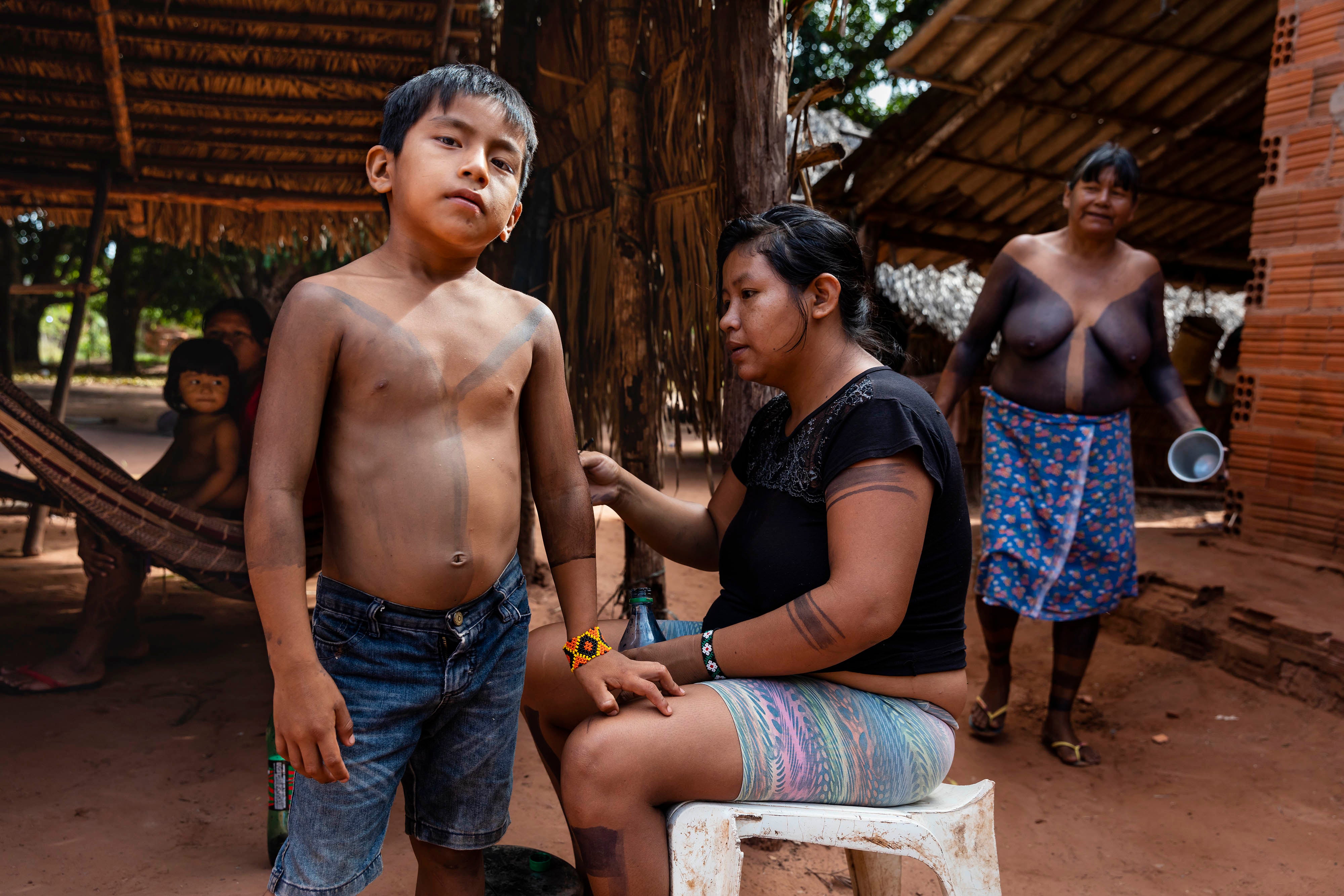
A Pyhcop Catiji woman uses paint extracted from the jenipapo fruit to draw traditional patterns on a boy´s skin. The Indigenous people of Governador Indigenous Territory use body paints for decoration and ceremonies. 

© 2018 Brent Stirton/Getty Images for Human Rights Watch
202001AME_Brazil_photo01

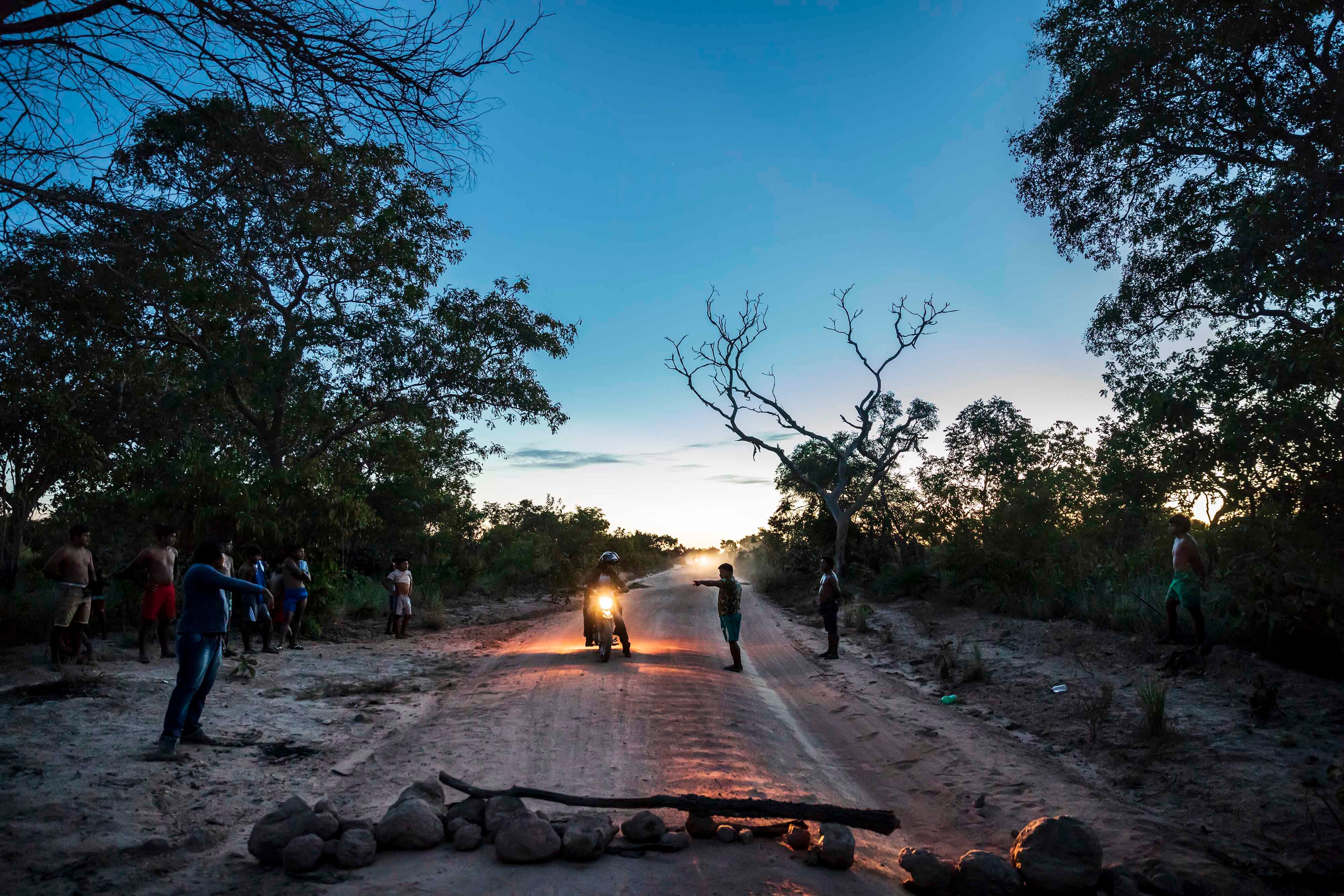
The Pyhcop Catiji Indigenous people set up a rudimentary road block to detect logging trucks carrying illegally-harvested timber from Governador and Araribóia Indigenous Territory, in Maranhão State, in June 2018.

© 2018 Brent Stirton/Getty Images for Human Rights Watch
202001AME_Brazil_photo01

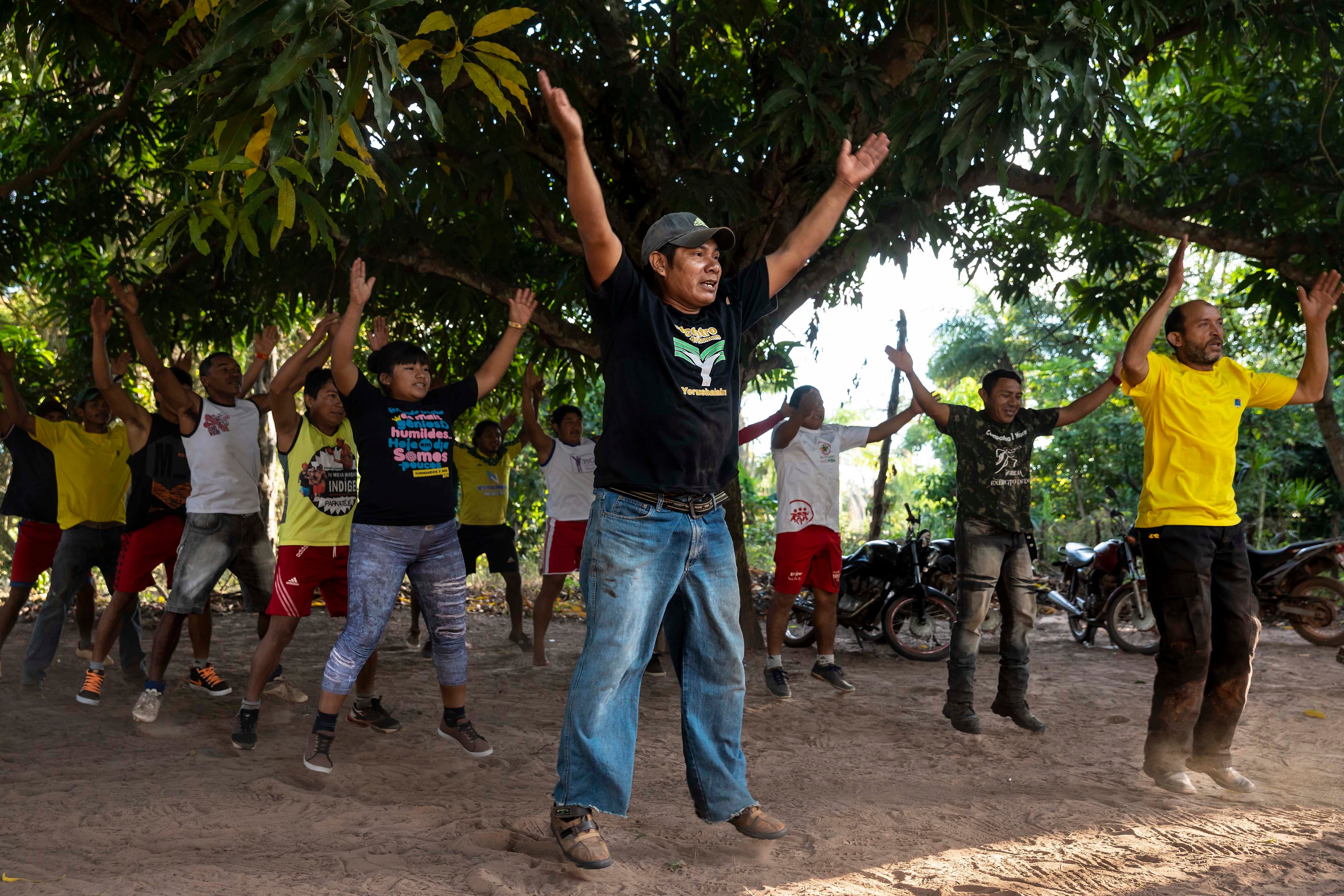
Pyhcop Catiji Indigenous people hired by IBAMA, Brazil´s main federal environmental agency, to prevent and fight forest fires perform exercises in Governador Indigenous Territory in June 2018.

© 2018 Brent Stirton/Getty Images for Human Rights Watch
202001AME_Brazil_photo01

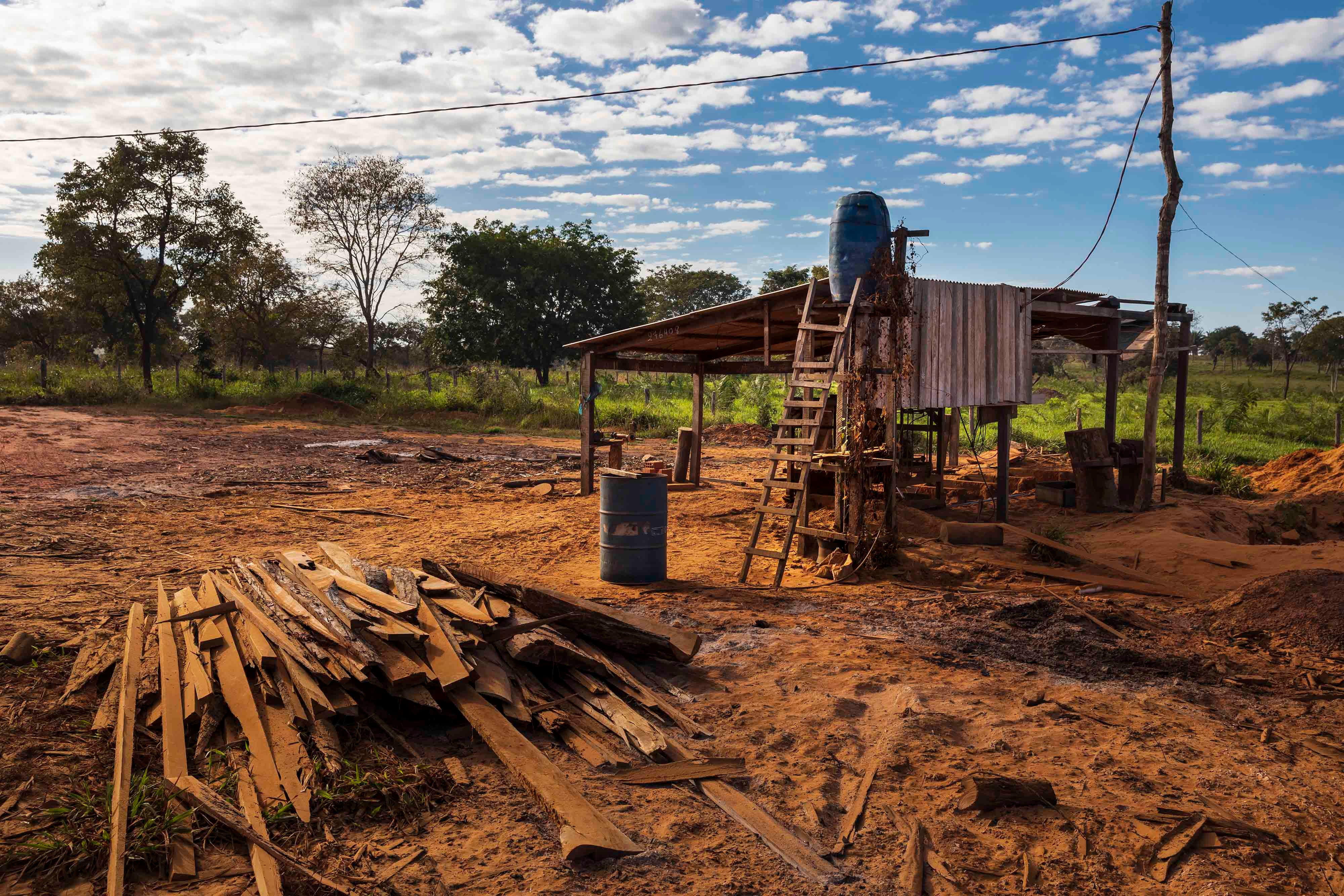
One of two illegal sawmills found by Human Rights Watch about five kilometers outside Governador Indigenous territory, in the outskirts of Amarante do Maranhão in June 2018. This sawmill was in the open, unobscured by any fences or trees, a few hundred meters from a main road, and hooked to the town´s power grid.

© 2018 Brent Stirton/Getty Images for Human Rights Watch
202001AME_Brazil_photo01

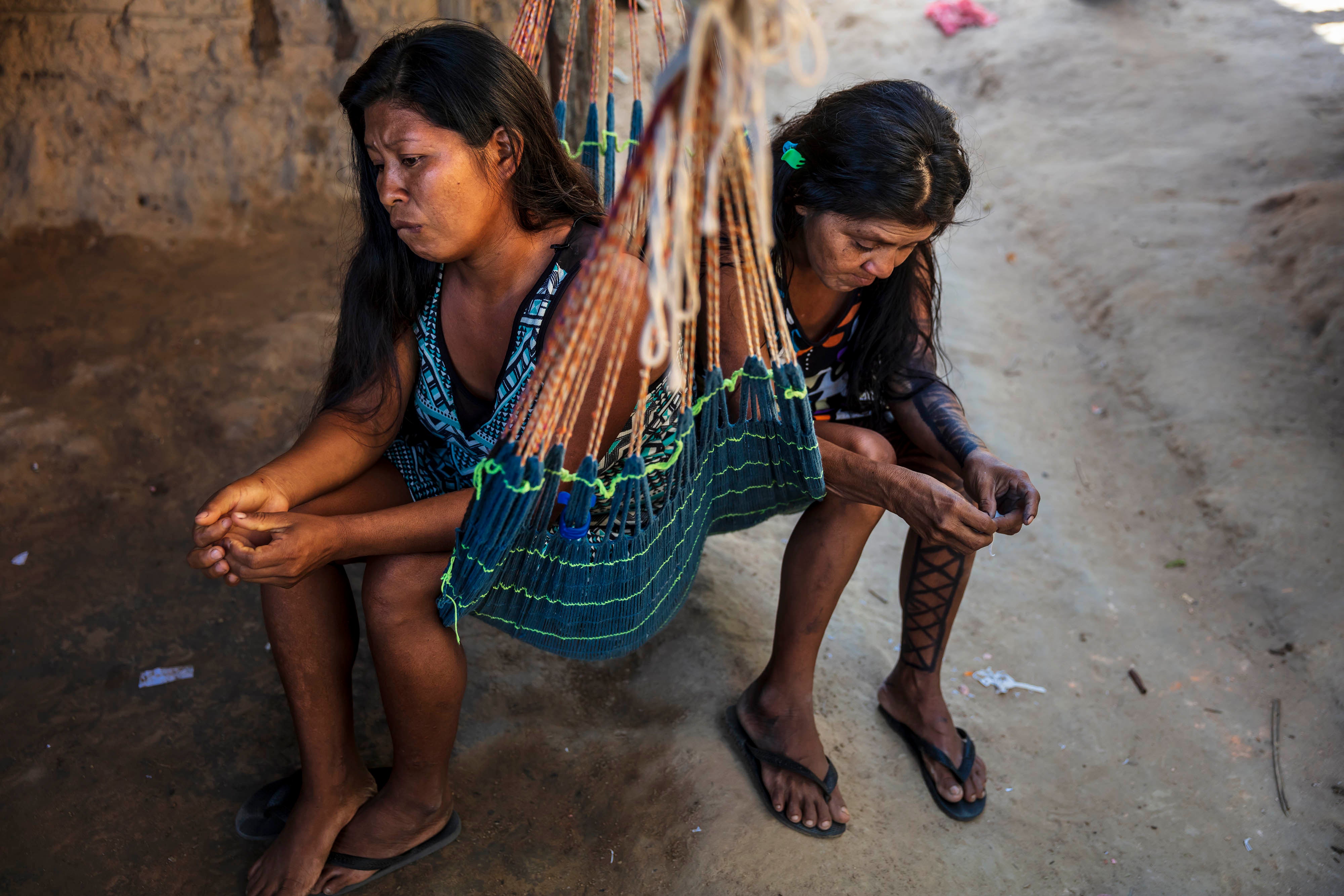
Jaciane Guajajara (left) and Graça Guajajara remember their father Tomé Guajajara, who was killed in 2007 by loggers who invaded their village to recover a logging truck apprehended by Indigenous people inside the Araribóia Indigenous territory. Twelve years on, there has been no trial.  

© 2018 Brent Stirton/Getty Images for Human Rights Watch
202001AME_Brazil_photo01

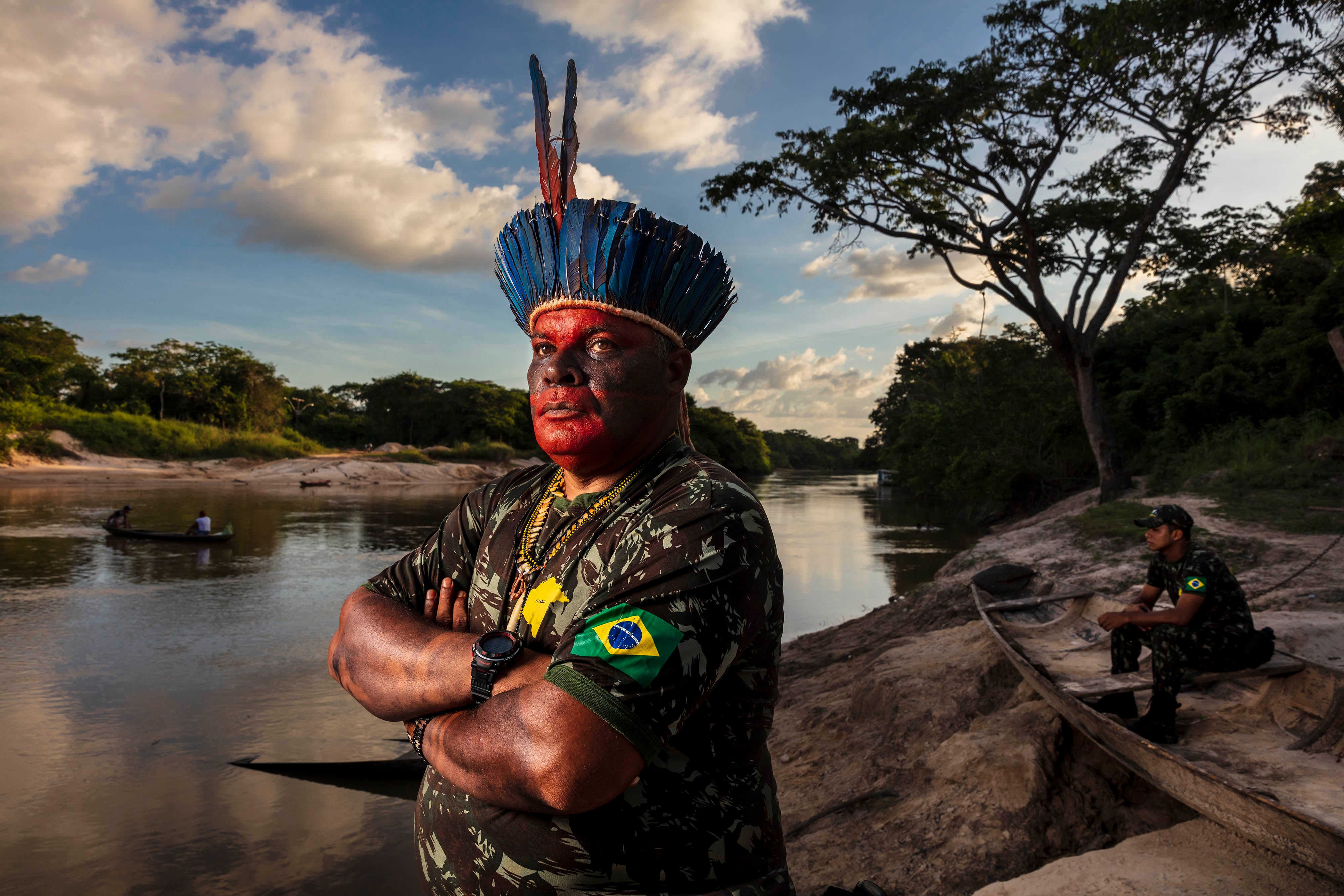
Cláudio José da Silva, the coordinator of the “Forest Guardians” of Caru Indigenous Territory, Maranhão State, at the bank of the Pindaré river in June 2018. The Guardians are Tenetehara Indigenous people who patrol the land to detect illegal logging and report it to the authorities.

© 2018 Brent Stirton/Getty Images for Human Rights Watch
202001AME_Brazil_photo01

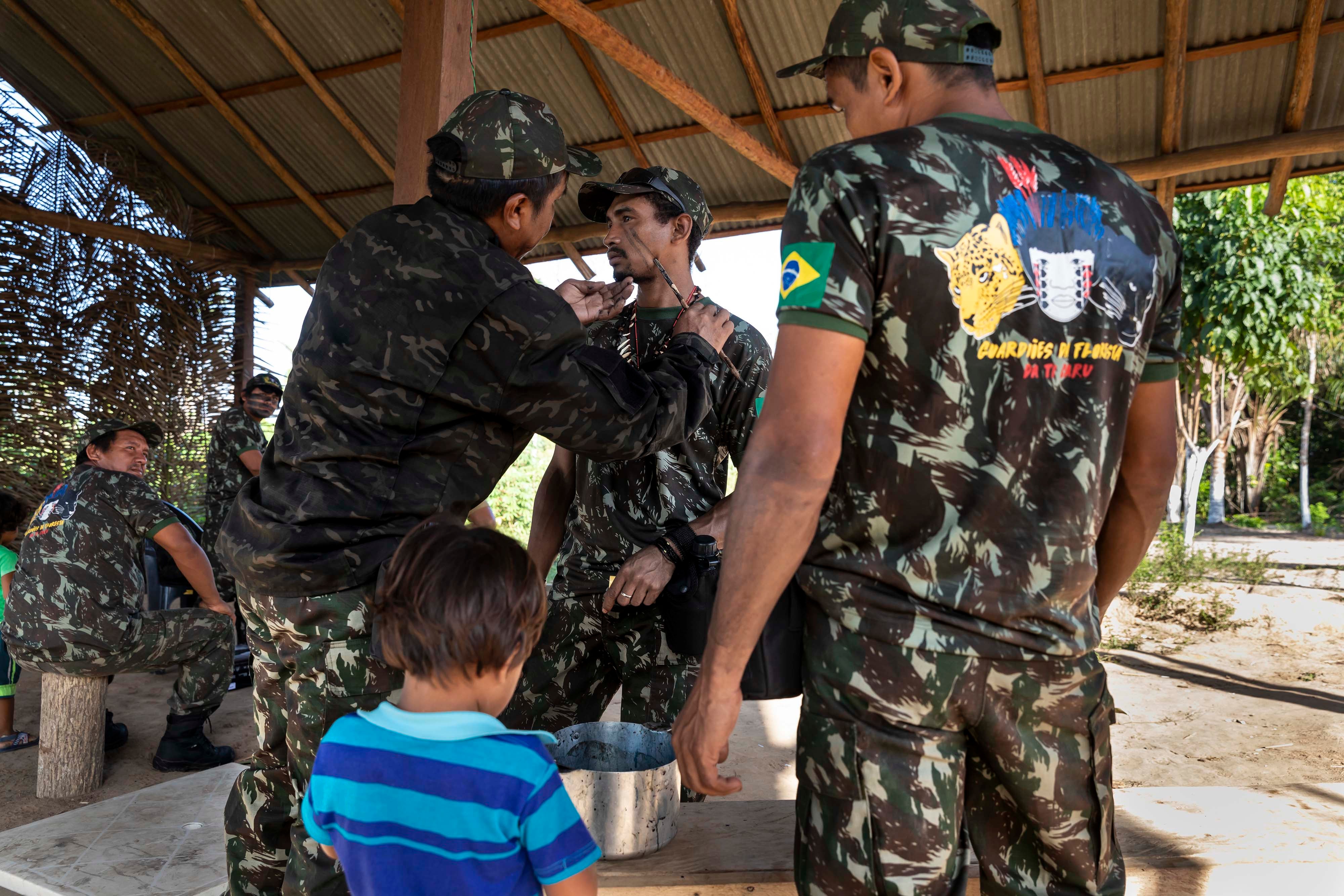
The “Forest Guardians” of Caru Indigenous Territory, Maranhão State, prepare for a patrol in June 2018. The Guardians are Tenetehara Indigenous people who patrol the land to detect illegal logging and report it to the authorities.

© 2018 Brent Stirton/Getty Images for Human Rights Watch
202001AME_Brazil_photo01

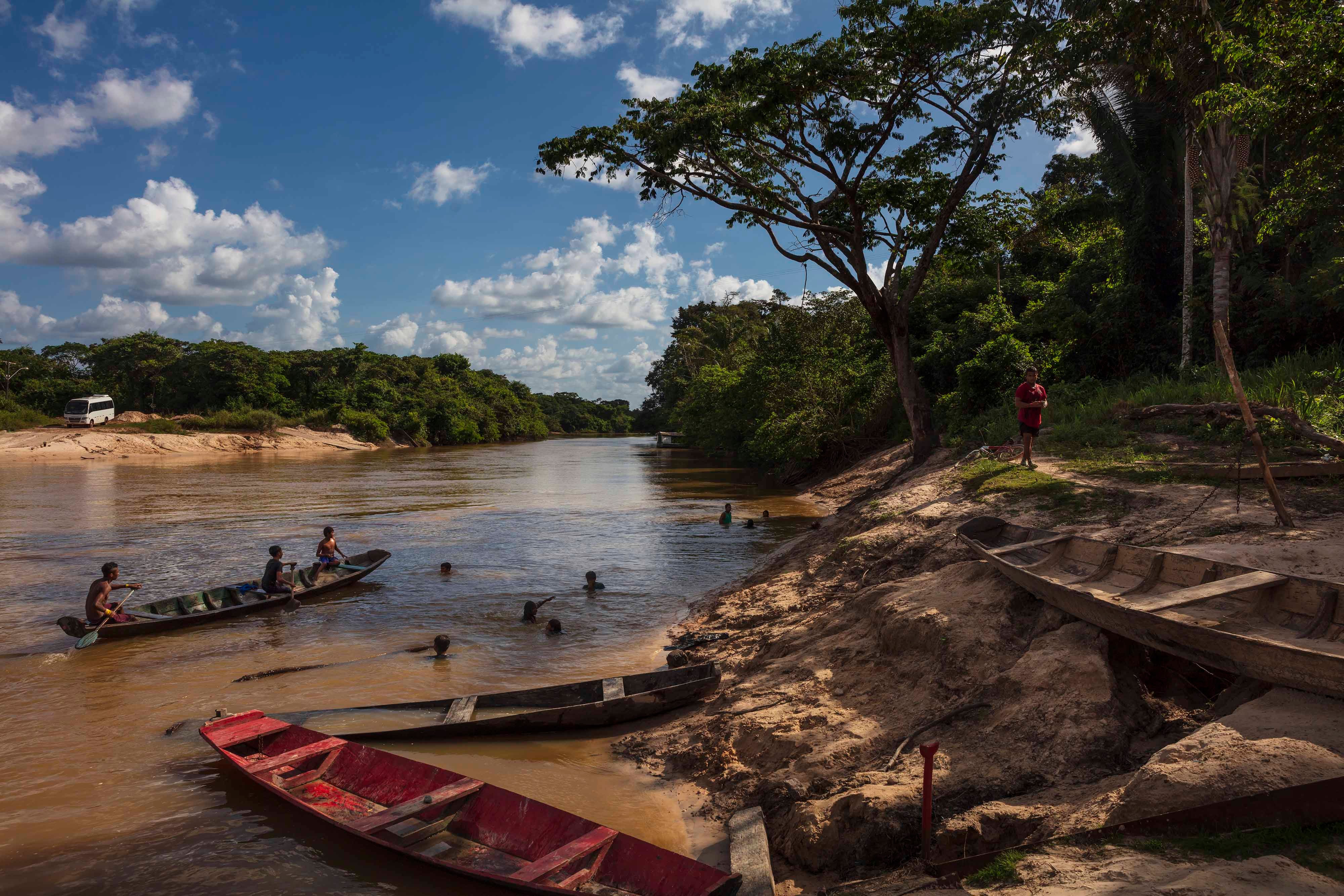
Scenes of the Pindaré river, which marks the limit between the mostly deforested areas around the Caru Indigenous Territory, in Maranhão, and the lush rainforest inside, in June 2018. Loggers cross the river into the territory to extract timber illegally, Indigenous people say.

© 2018 Brent Stirton/Getty Images for Human Rights Watch
202001AME_Brazil_photo01

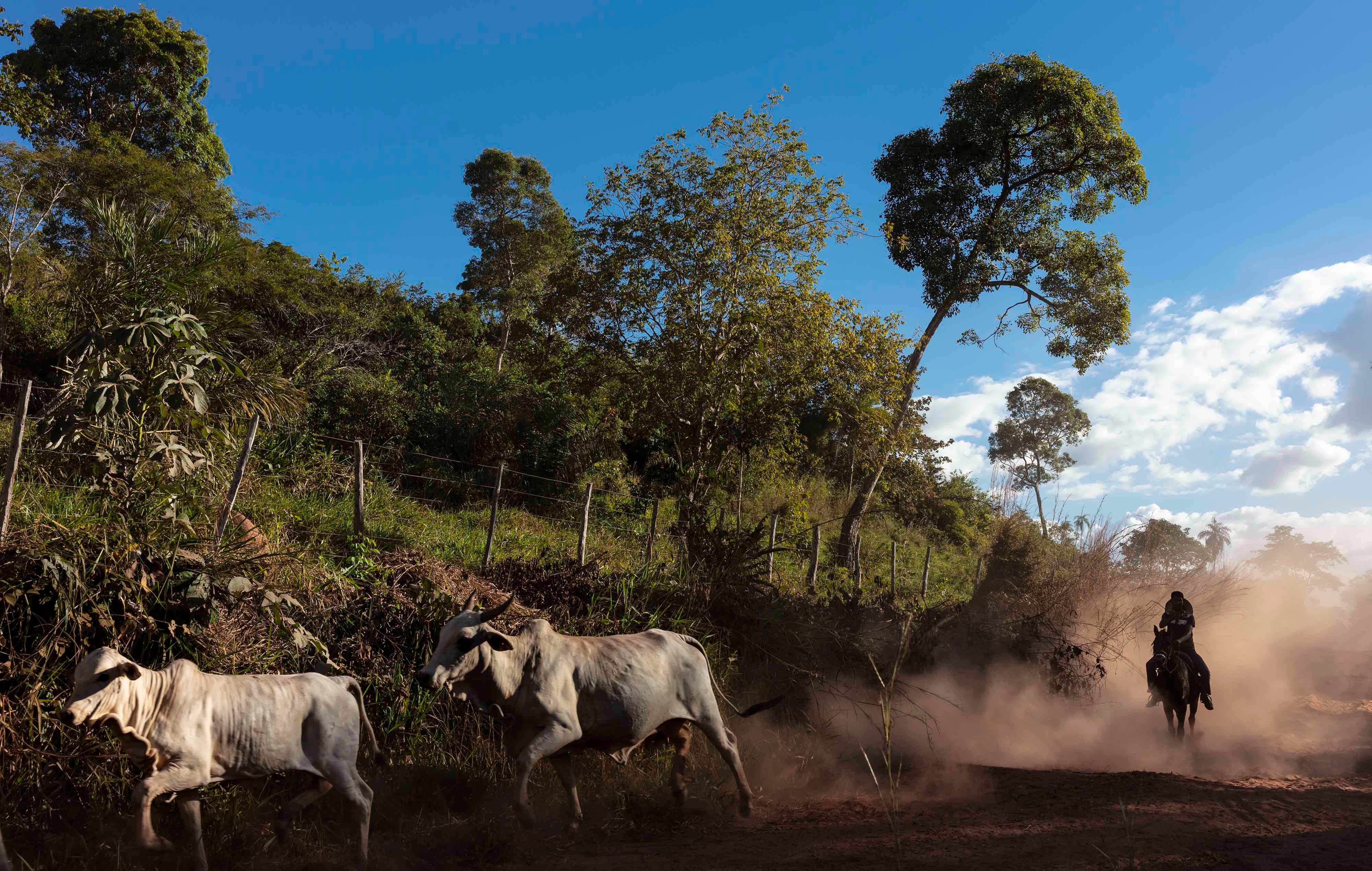
Cattle near Governador Indigenous territory, Maranhão State, in June 2018. The Pyhcop Catiji Indigenous people protect a remnant of Amazon rainforest surrounded by cattle ranches, mostly devoid of trees.

© 2018 Brent Stirton/Getty Images for Human Rights Watch

Forest Guardians

Discrimination and Barriers to Education for Persons with Albinism in Mozambique
202001AFR_Mozambique_photo01

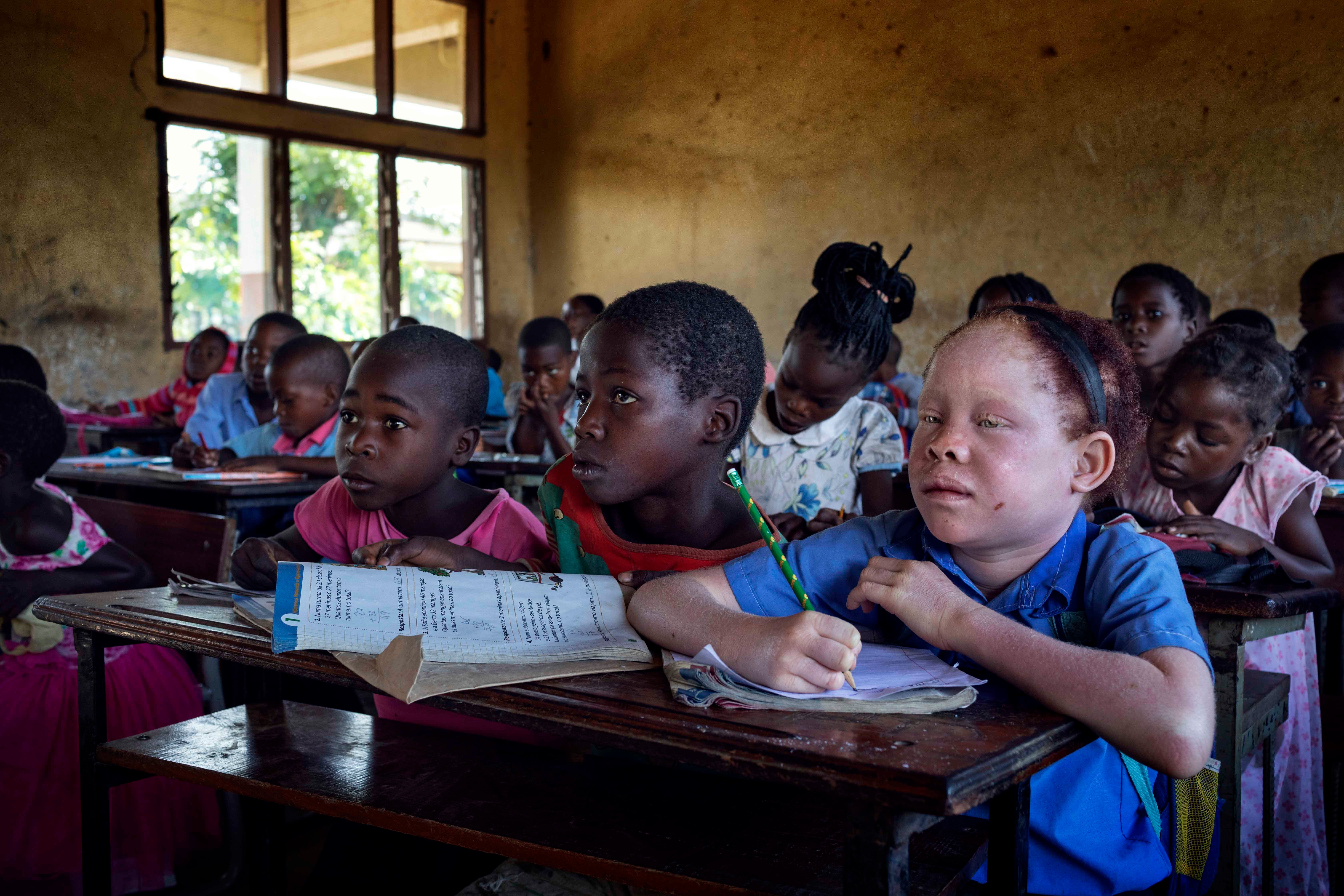
Josina, a girl with albinism, sits in her classroom in Chiuta District in Mozambique’s Tete province.

© 2019 Marcus Bleasdale for Human Rights Watch
Revita, Josina’s teacher, allows her sit up close in class and gives her extra time during exams. Since last June, Revita said that some schools have introduced Braille classes, which Josina was taking.

Revita, Josina’s teacher, allows her sit up close in class and gives her extra time during exams. Since last June, Revita said that some schools have introduced Braille classes, which Josina was taking.

© 2019 Marcus Bleasdale for Human Rights Watch
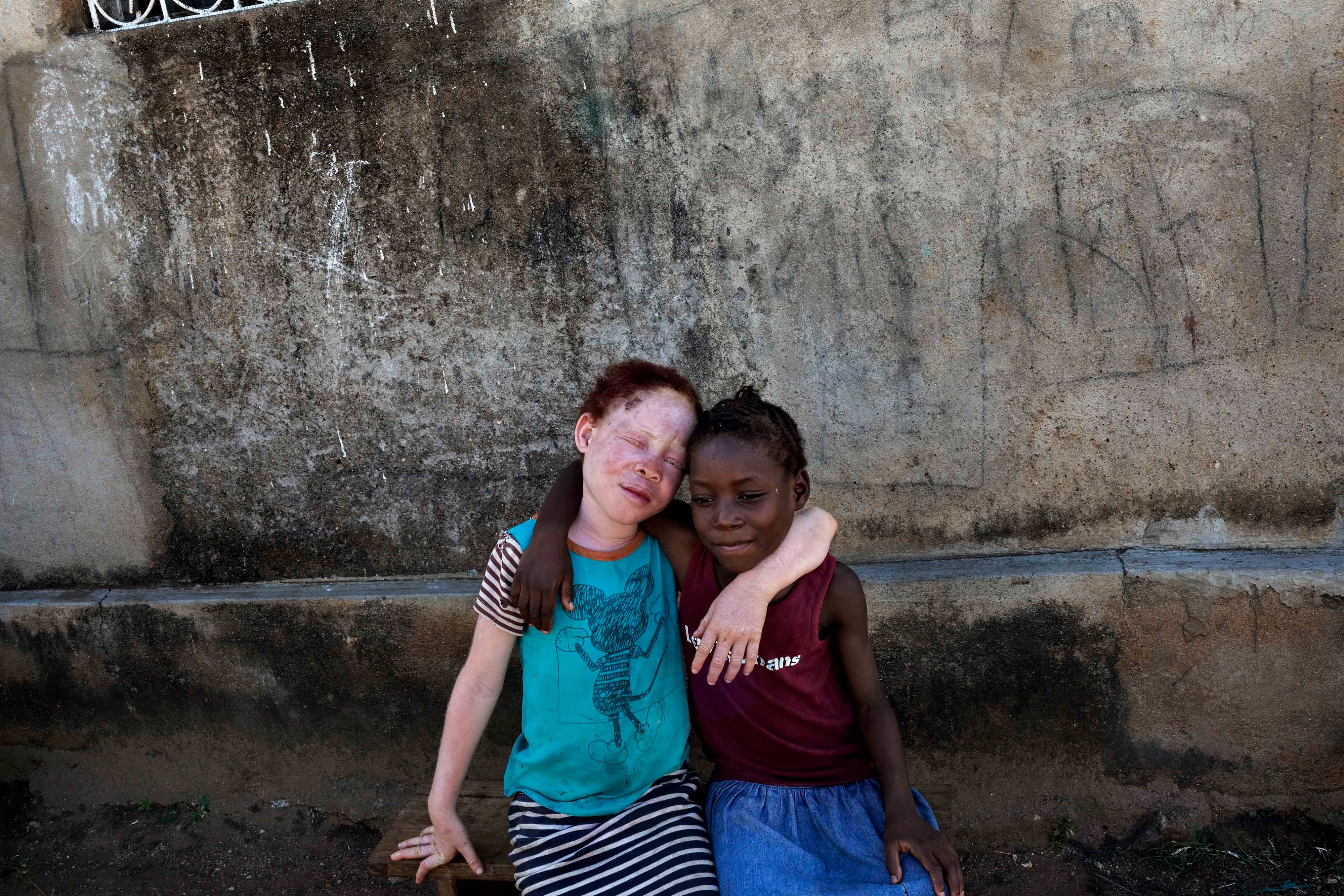
Josina (left) with her niece, Luisa, both eight at the time. “She is my best friend,” said Josina. “She is always asking if I’m ok, she helps me read after school, and she looks after me.

Josina (left) with her niece, Luisa, both eight at the time. “She is my best friend,” said Josina. “She is always asking if I’m ok, she helps me read after school, and she looks after me.

© 2019 Marcus Bleasdale for Human Rights Watch
202001AFR_Mozambique_photo01

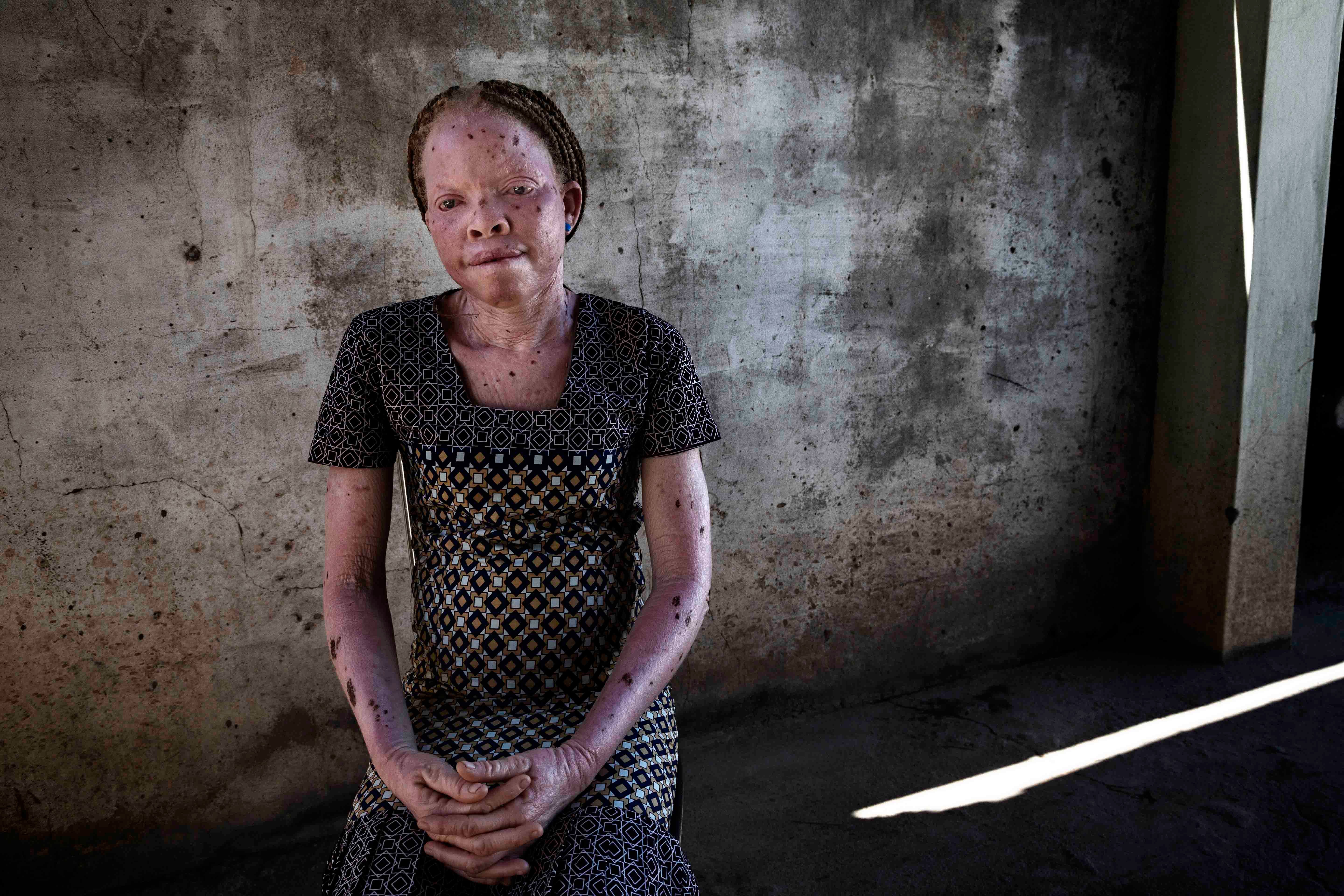
Fatima, 20, dropped out of Grade 5 after teachers bullied her because she has albinism. When she would try to sit in the front of the class to better see the blackboard, one teacher would yell, “You albino, you stay where you are!” Her father complained to the school but it only made things worse. “When the teacher would say those things to me, it allowed the students to do the same,” Fatima said. “There were no consequences for any of them.”

© 2019 Marcus Bleasdale for Human Rights Watch
202001AFR_Mozambique_photo01

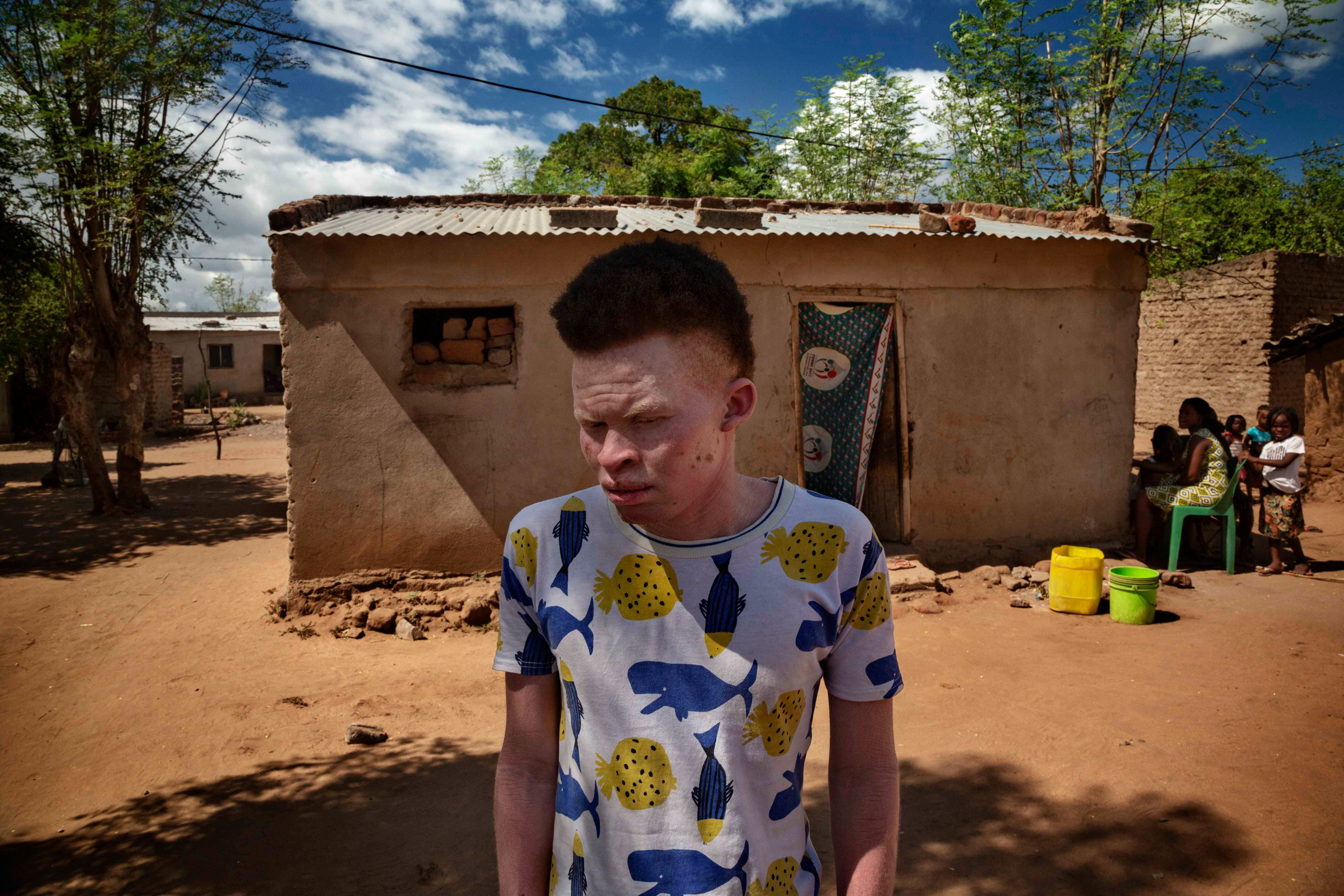
“My dream was to become a teacher. It's good work. I still have the dream but I can't go to school,” said Joao, 19, who dropped out of school for fear of kidnapping. He now works in the fields with his father, where he plants beans and maize. The work is hard and painful, because the sun hurts his skin.

© 2019 Marcus Bleasdale for Human Rights Watch
202001AFR_Mozambique_photo01

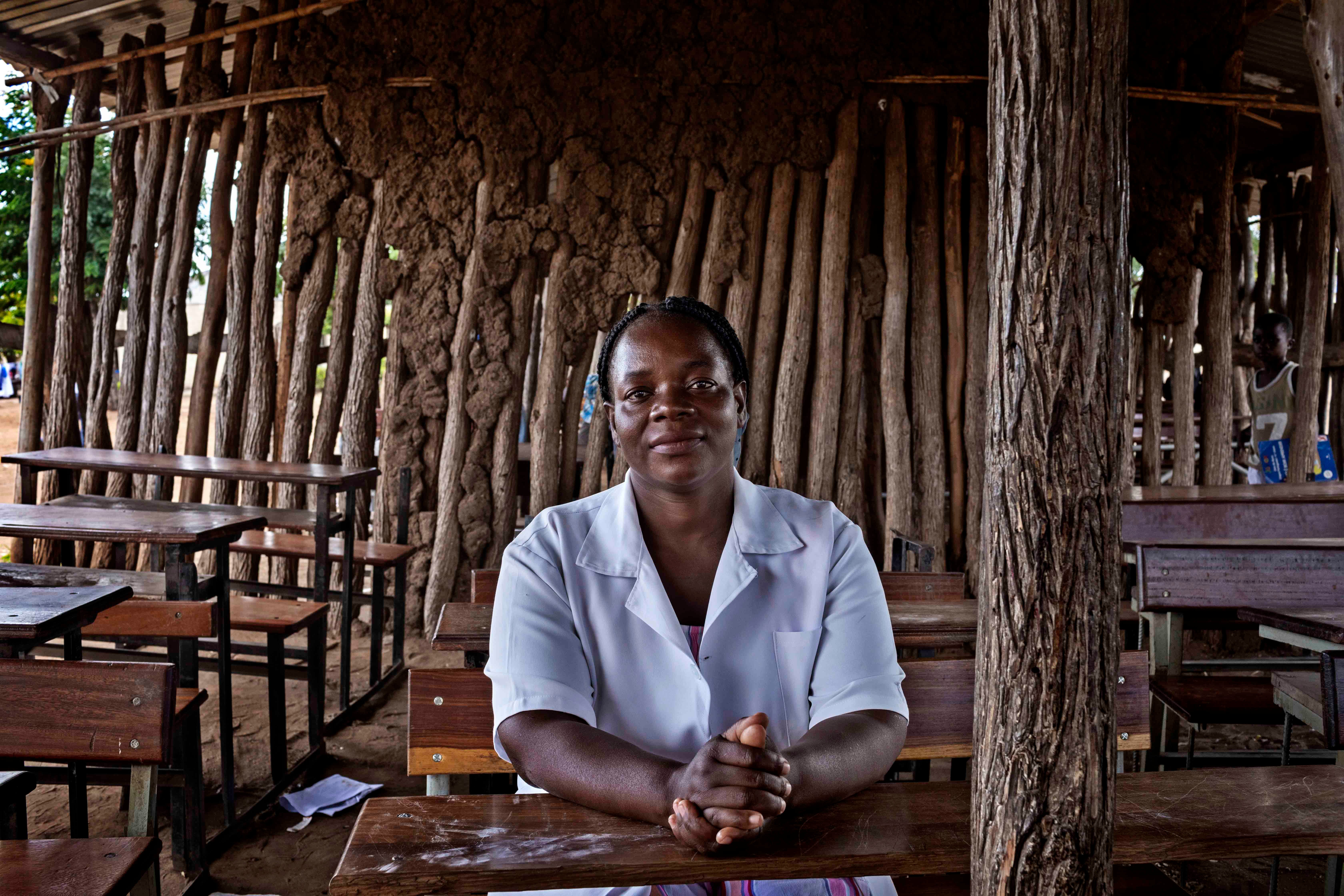
Students with albinism are not the only ones to face stigma. Cesaria, a teacher, has overheard students wishing aloud for another teacher because of her albinism. She is often called “money” or “business” outside of class. “When people say terrible things to me, I never answer,” Cesaria said. “I wonder why can't they treat me like a normal person?”

© 2019 Marcus Bleasdale for Human Rights Watch
202001AFR_Mozambique_photo01

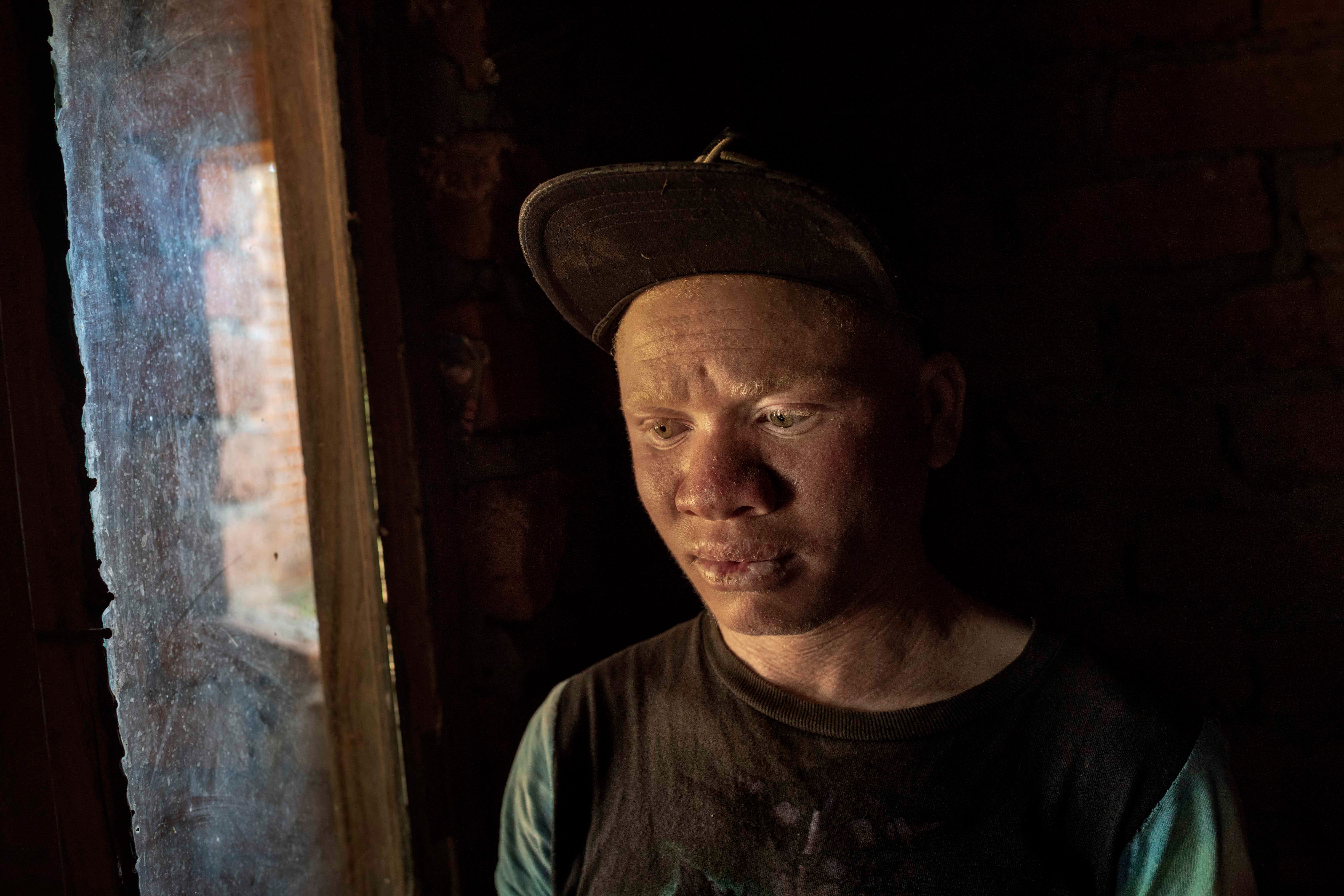
When Nelson, 13, was born, his father thought it was because of witchcraft. In September 2018 assailants broke into his house in what appeared to be a kidnapping attempt.  He is afraid to go to school.

© 2019 Marcus Bleasdale for Human Rights Watch
202001AFR_Mozambique_photo01

Luisinho, 26, quit his job selling second-hand clothes on the street because he could not afford sunscreen and his skin would burn. He tries to find work as a singer.

© 2019 Marcus Bleasdale for Human Rights Watch
202001AFR_Mozambique_photo01

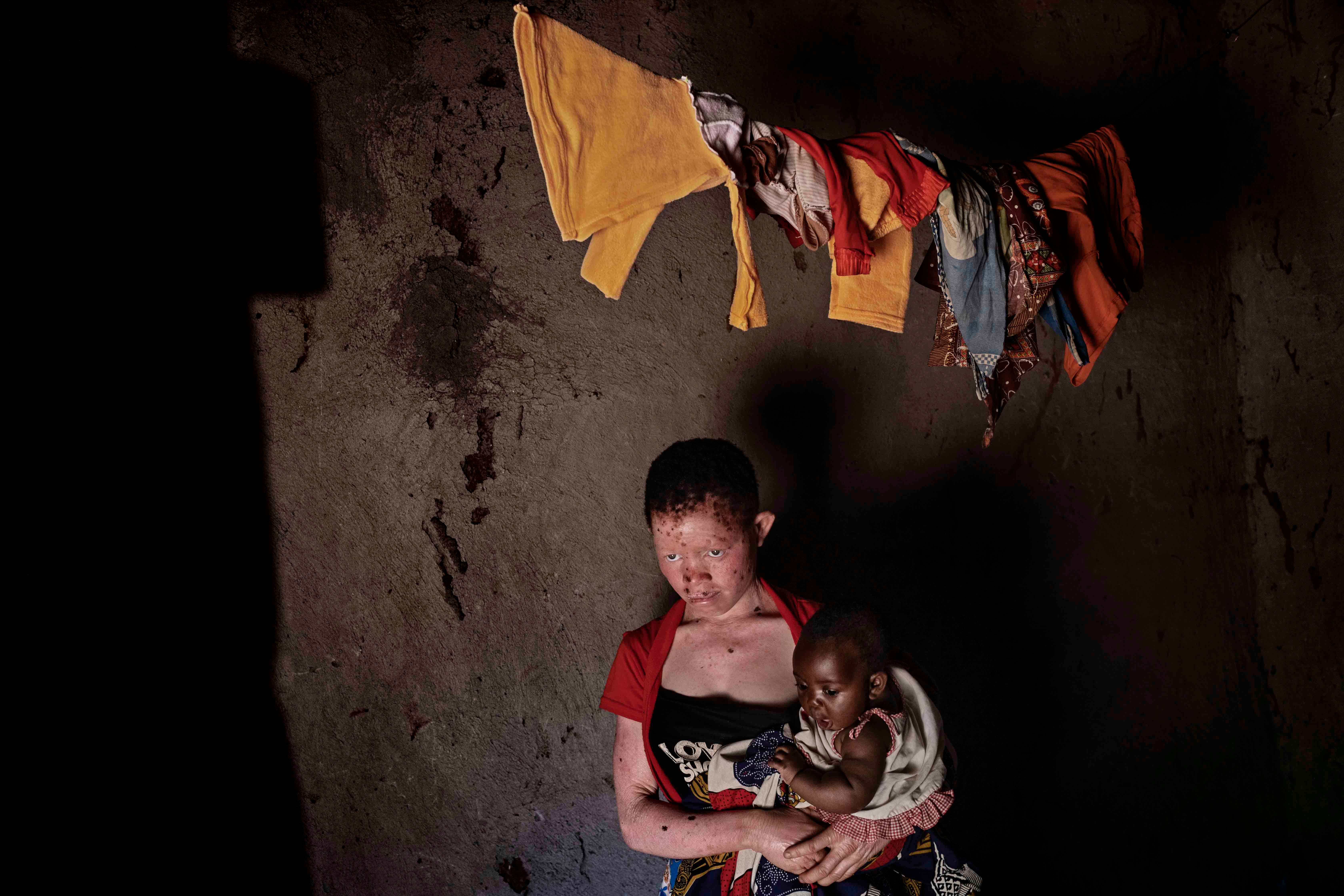
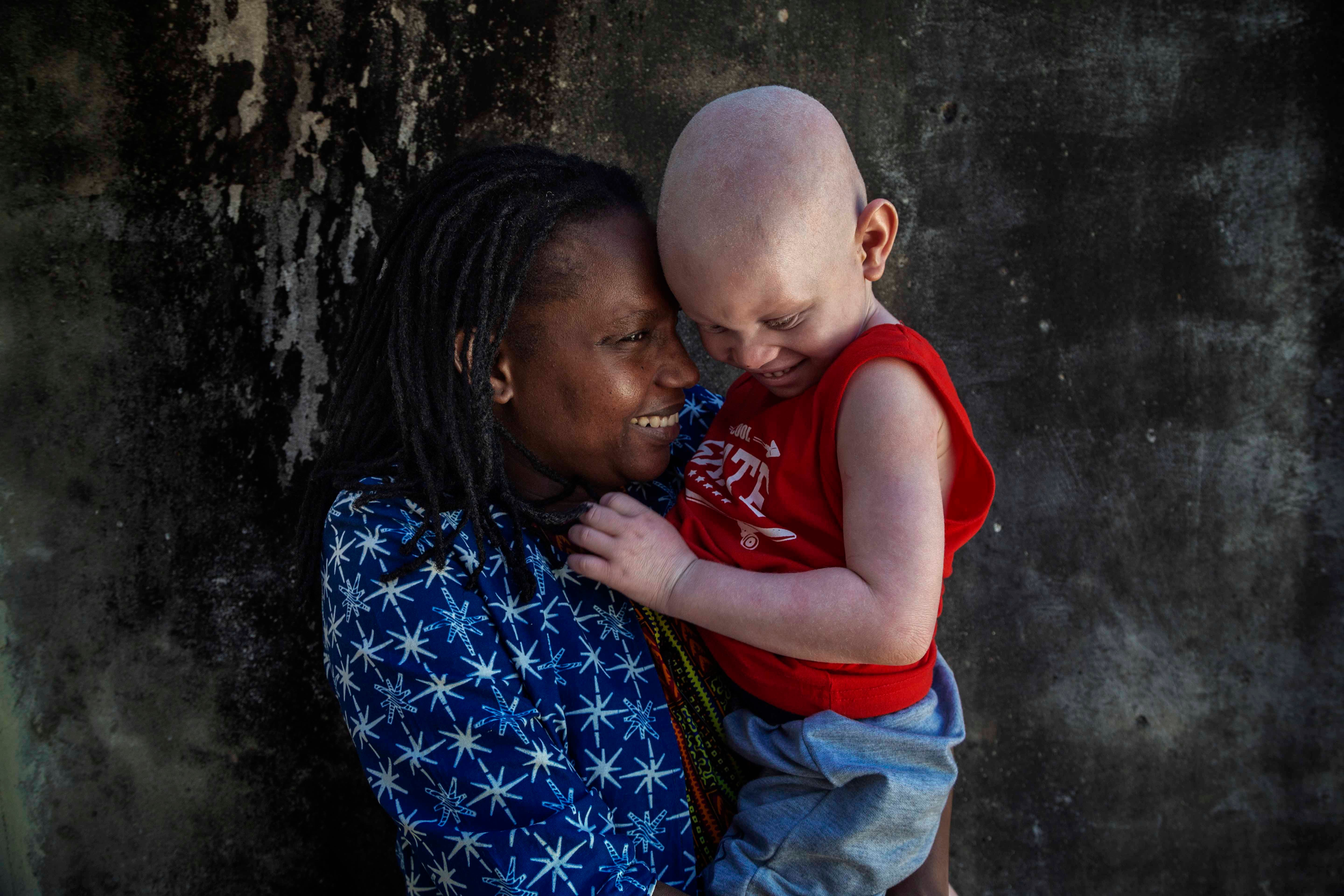
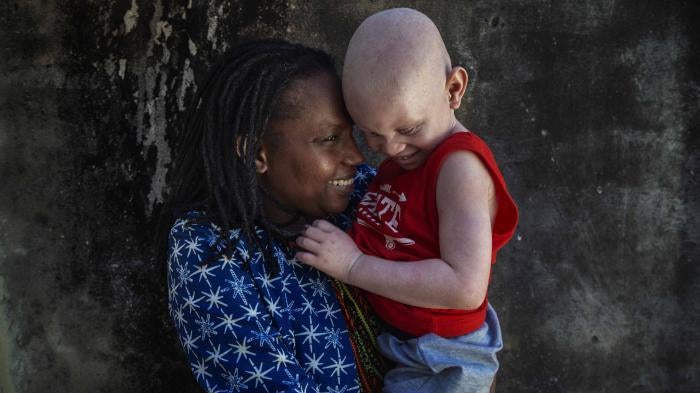
Flavia Pinto, head of Azemap, a volunteer-run organization that supports people with albinism, with a toddler that she is in the process of adopting. The child’s father was convicted of attempting to sell him.

© 2019 Marcus Bleasdale for Human Rights Watch
202001AFR_Mozambique_photo01

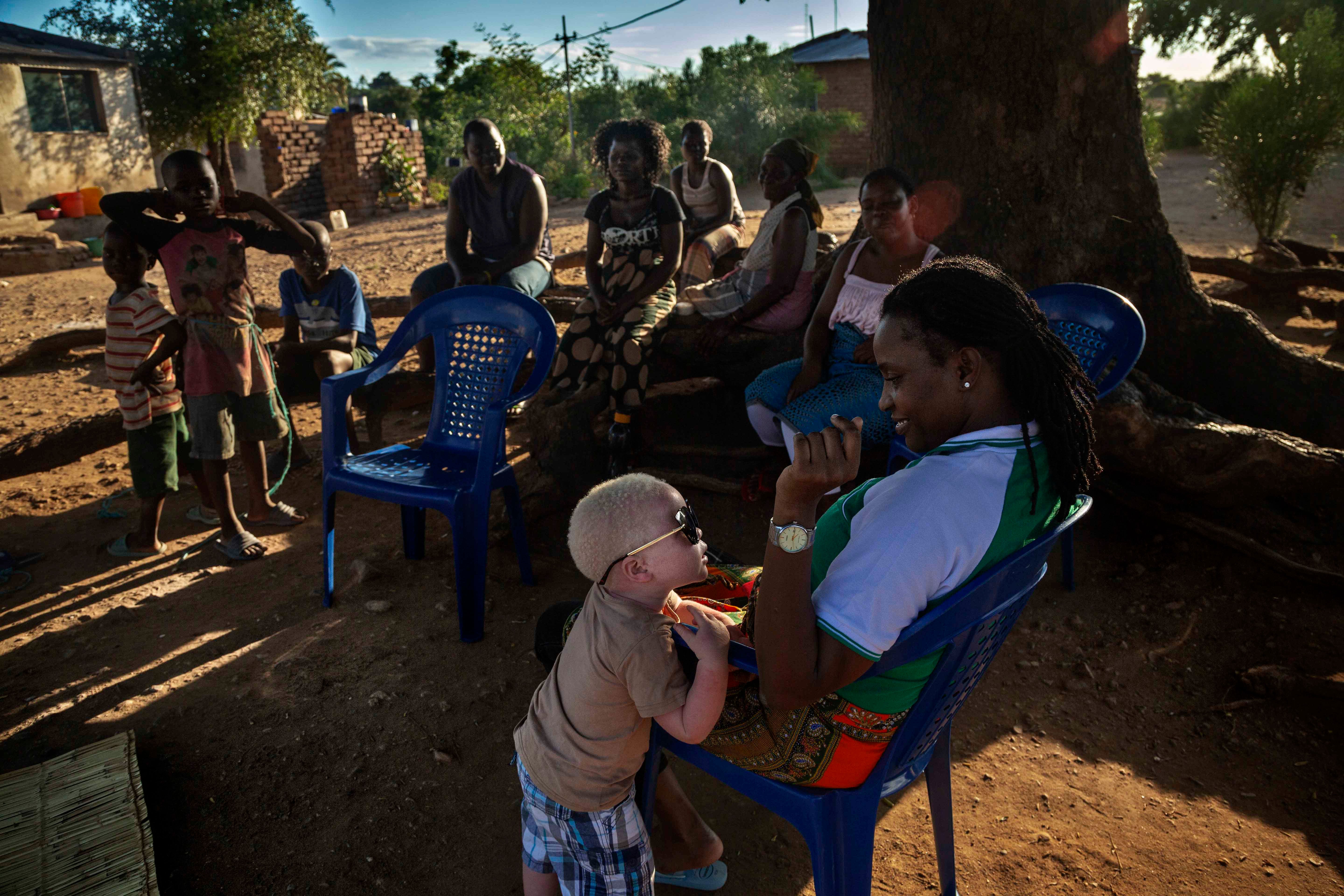
Flavia Pinto, head of Azemap, with one of her organization’s beneficiaries. Founded in 2016 to support persons with albinism, volunteer-run Azemap provides much-needed supplies –such as soap for sensitive skin, sunscreen, prescription glasses, eye drops—to children with albinism across Tete province.

© 2019 Marcus Bleasdale for Human Rights Watch

Discrimination and Barriers to Education for Persons with Albinism in Mozambique

Philippines’ ‘War on Drugs’
202001ASIA_Philippines_02

“Robert” was right behind the gunman when he shot the boy’s father, “Renato Aldeguer,” on December 19, 2016. He said his father, who scavenged for scraps for a living, was a good man. Since his death, the four Aldeguer children have been living in the streets of Mandaluyong City because their relationship with their mother fell apart. Photo taken in February 2019.

© 2019 Carlo Gabuco for Human Rights Watch
202001ASIA_Philippines_02

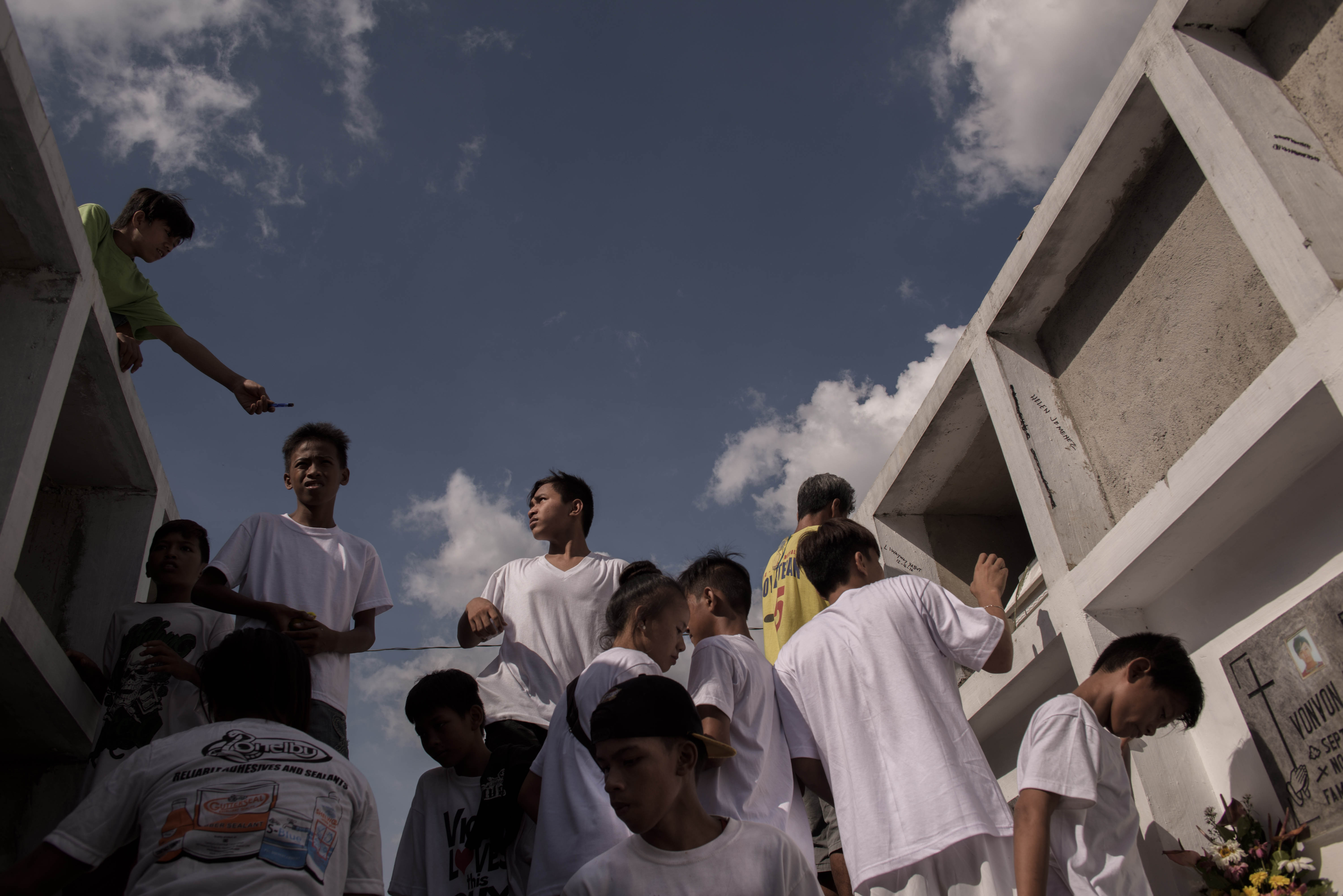
Children carry the coffin of “Veneracion” to the top of an apartment-type grave in a cemetery in Mandaluyong City on December 29, 2016. A masked gunman shot her in the head while she ate dinner outside a convenient store on December 16, 2016. Three days later, at her wake, her brother-in-law, “Renato Aldeguer,” was shot dead, leaving behind young children.

© 2016 Carlo Gabuco for Human Rights Watch
202001ASIA_Philippines_02

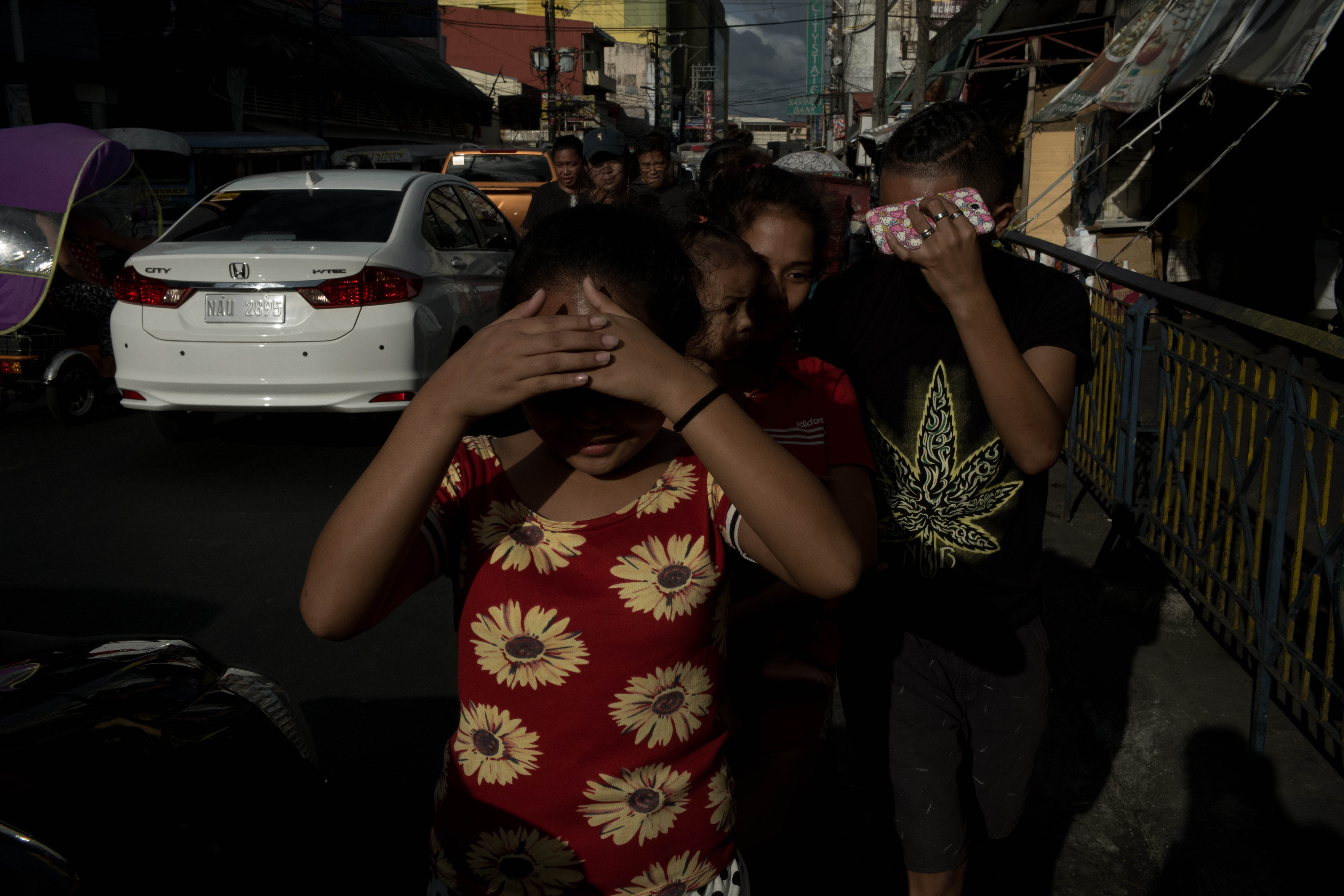
Karla with her brother Robert and their cousins spend their day near the Marketplace mall in Kalentong, Mandaluyong City, in February 2019. They were looking for her brother John, who would often go missing.

© 2019 Carlo Gabuco for Human Rights Watch
202001ASIA_Philippines_02

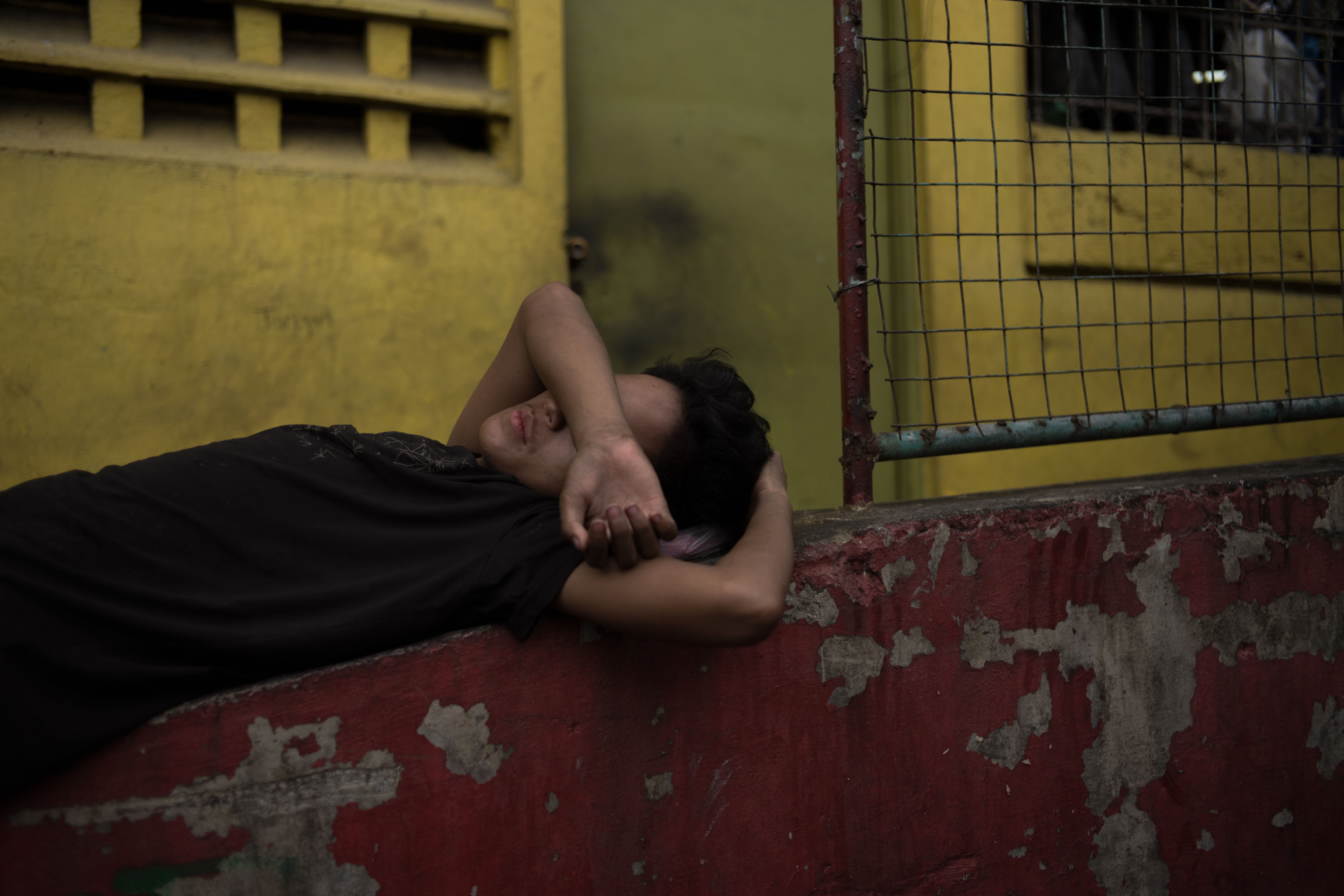
“John” lies on a ledge in the streets of Mandaluyong City in January 2019. He witnessed his father being shot by a masked gunman on December 19, 2016. He grabbed his father from behind while the gunman was shooting him and was wounded in the leg.

© 2019 Carlo Gabuco for Human Rights Watch
202001ASIA_Philippines_02

According to his mother, “Kyle,” who is 5 in this February 2019 photo, became more violent after his father was killed in November 2016. His father, “Alvin Ricaforte,” was found dead on the Delpan bridge, in Tondo, Manila, his face wrapped in packaging tape and bearing multiple stab wounds in the chest. According to Kyle’s mother, Ricaforte’s body was shown on TV several times and Kyle recognized him.

© 2019 Carlo Gabuco for Human Rights Watch

202001ASIA_Philippines_02

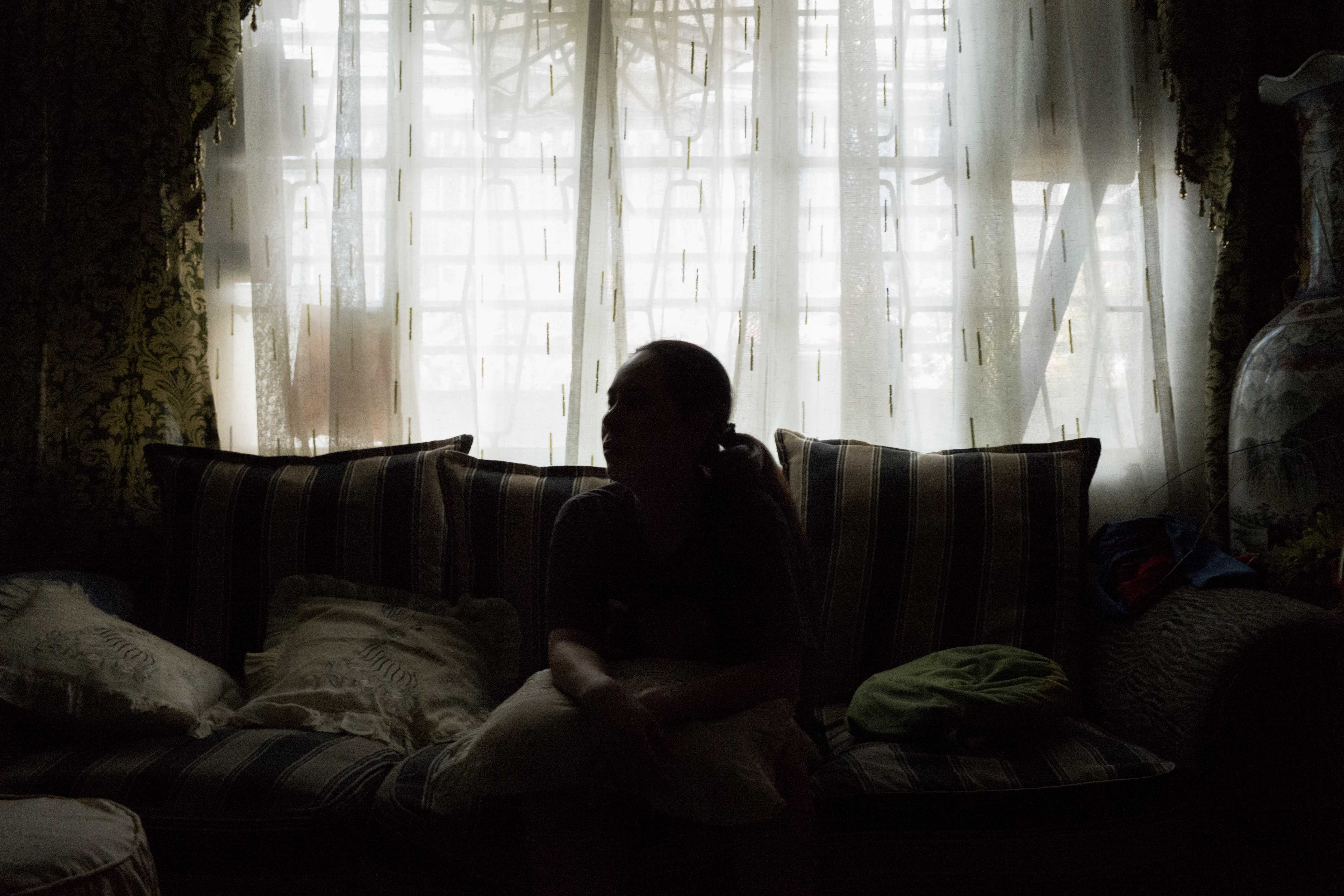
“Zeny” got depressed and lost her Job after her husband “Alvin Ricaforte” was killed. She says she cannot control her son, Kyle, and is  now worried that she might lose her job again. Photo taken in February 2019.

© 2019 Carlo Gabuco for Human Rights Watch
202001ASIA_Philippines_02

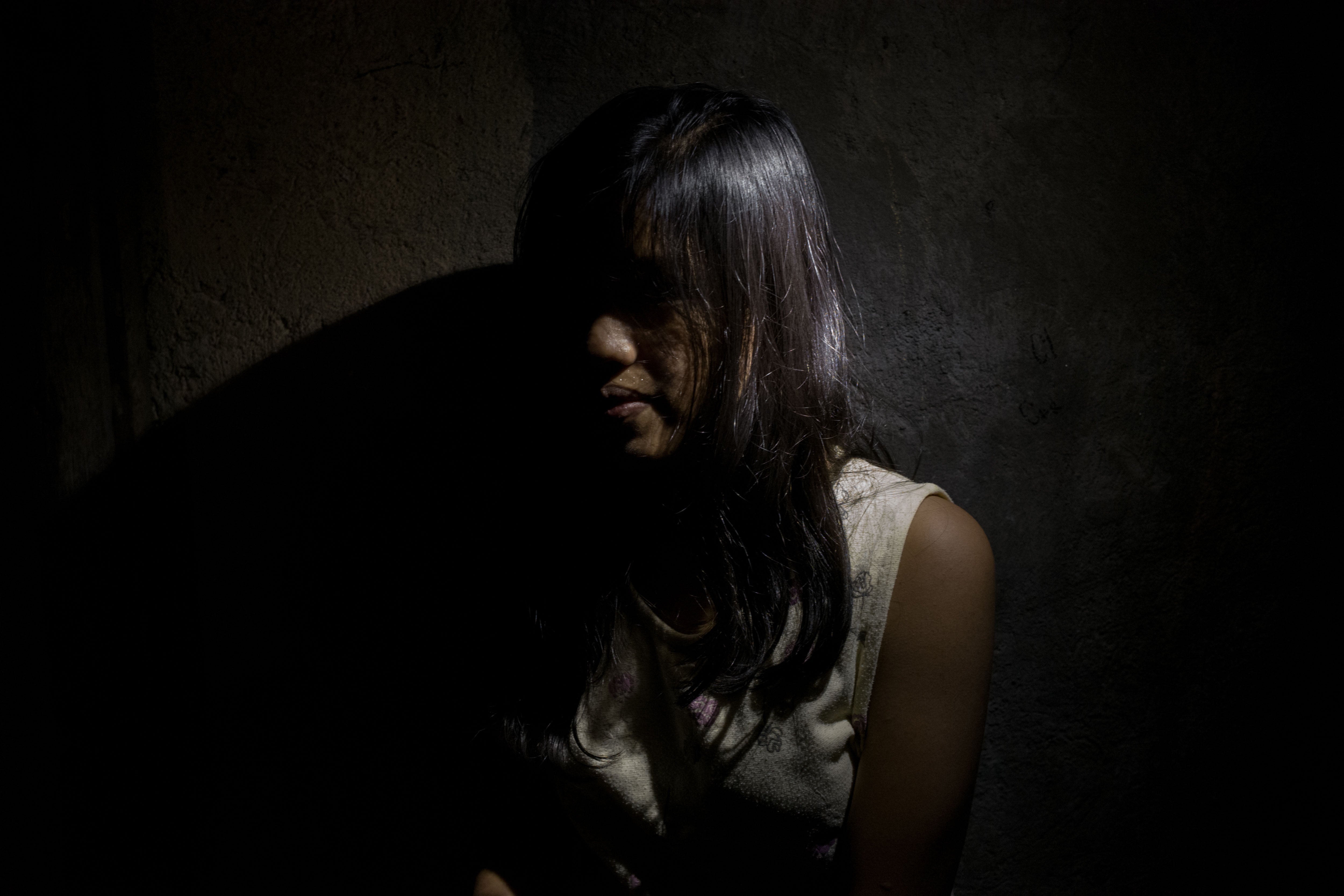
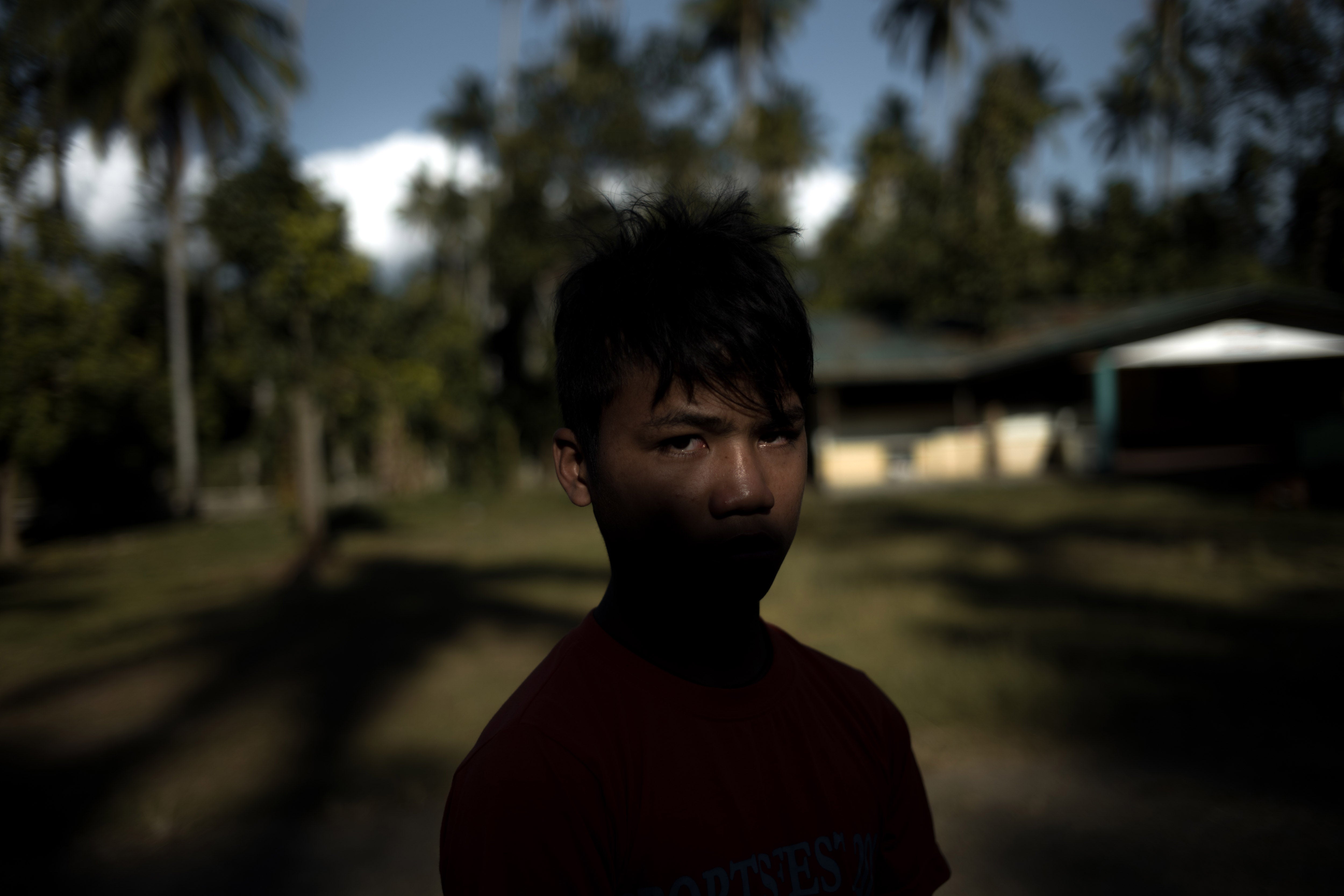
“Jennifer” was 11 when her father was shot dead in December 2016 during a drug raid in their home in Payatas, Quezon City, February 2019.

© 2019 Carlo Gabuco for Human Rights Watch
202001ASIA_Philippines_02

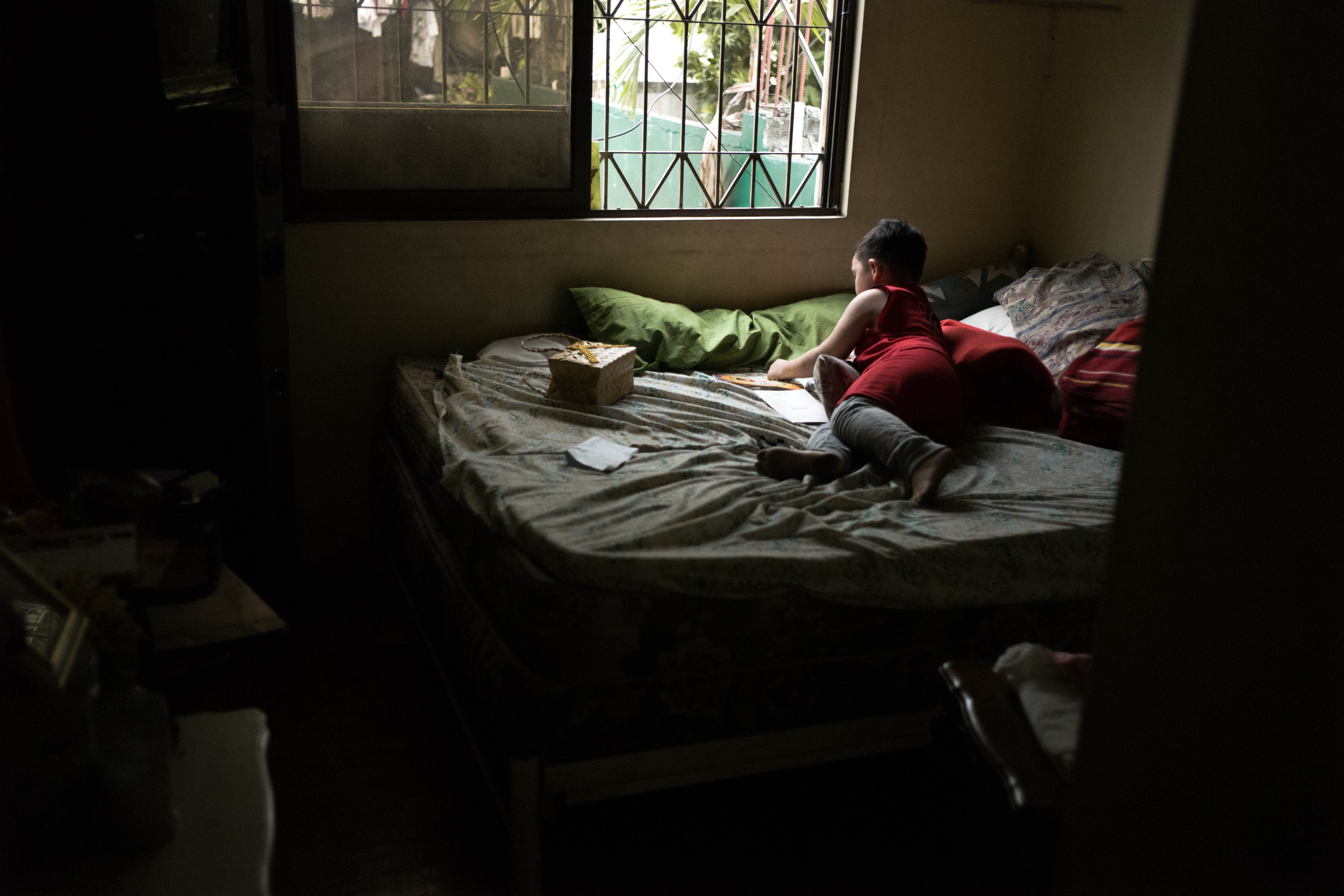
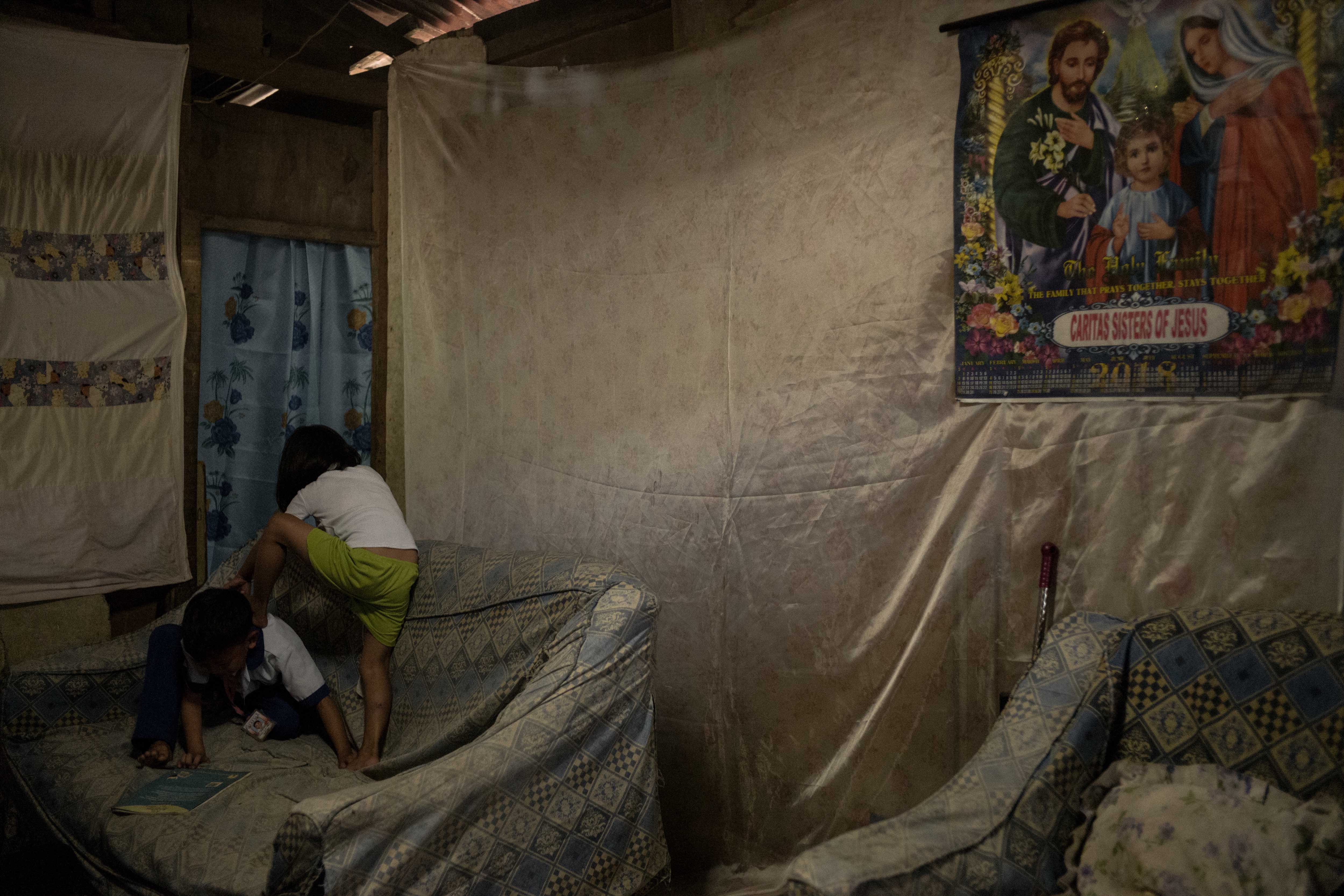
“Rose” and “Eddie” playing on their couch in February 2019, inside their house in Quezon City. The single couch on the right is where their father, “Benigno Mercado,” was shot dead in December 2016 while pleading for his life from gunmen.

© 2019 Carlo Gabuco for Human Rights Watch
202001ASIA_Philippines_02

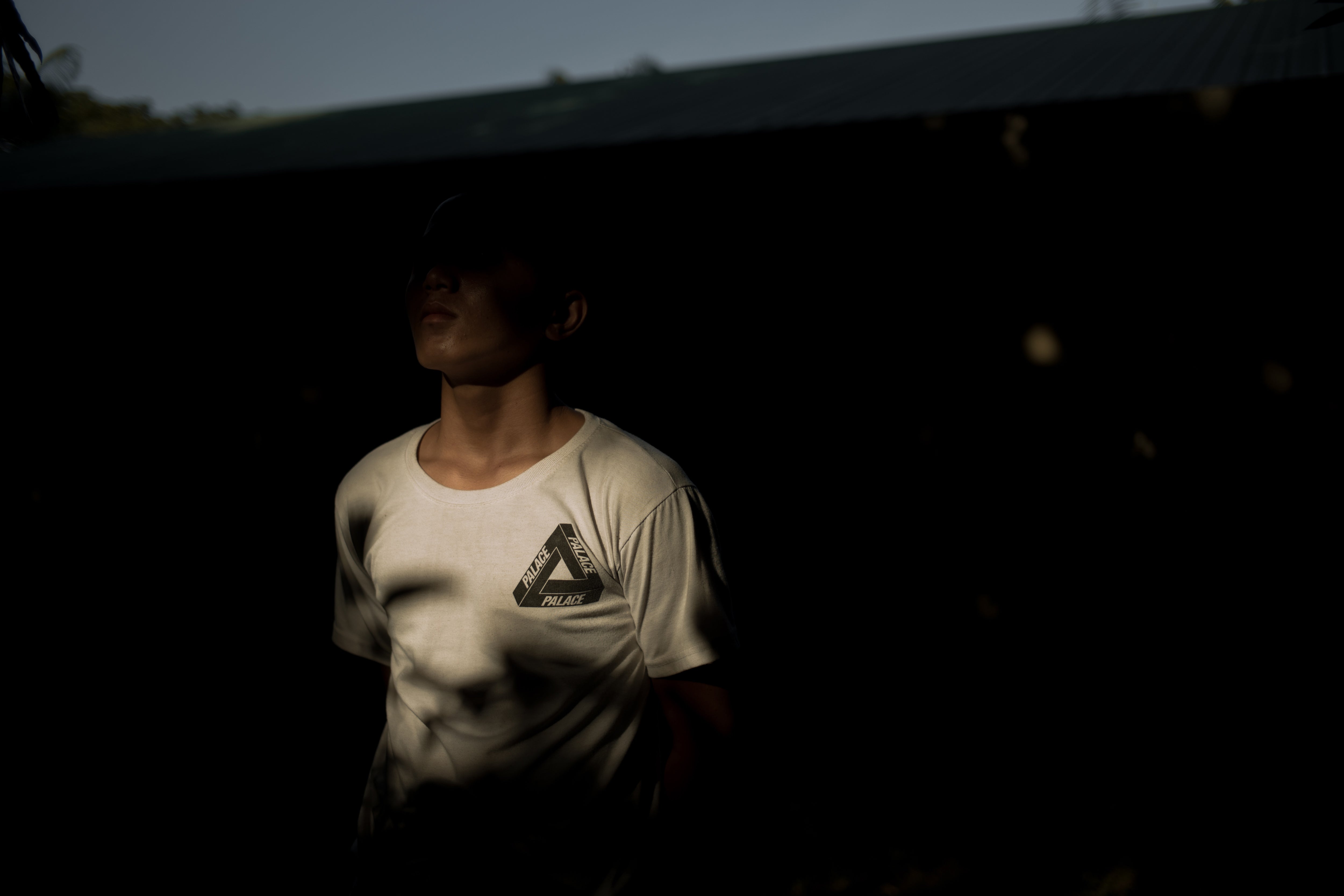
"Pocholo," 17, in February 2019, admitted using drugs but dropped the habit when President Rodrigo Duterte launched his “war on drugs.” The police still harassed him, threatening to kill him when he turned 18. Fearing for his life, he decided to seek refuge at a children’s group south of Manila.

© 2019 Carlo Gabuco for Human Rights Watch
202001ASIA_Philippines_02

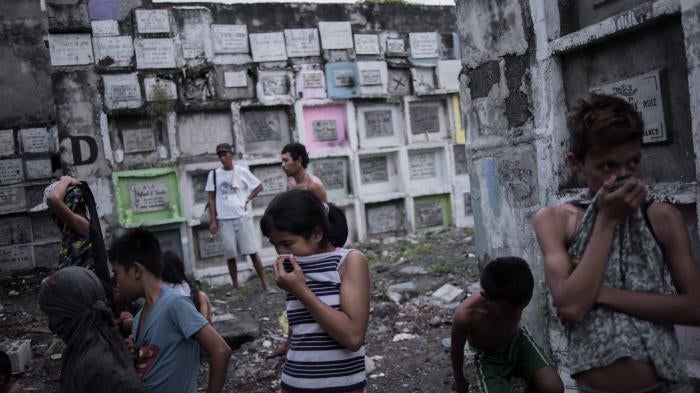
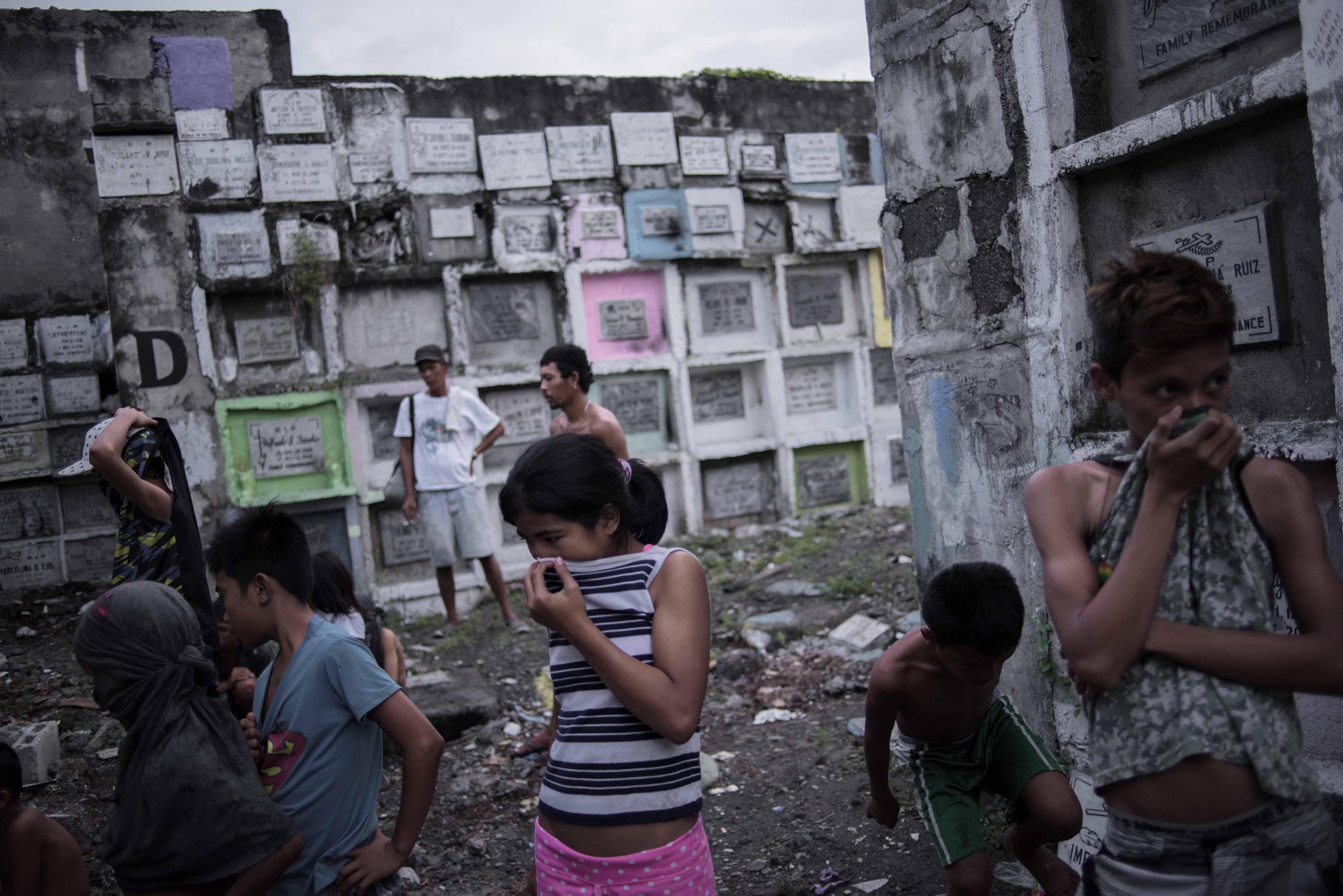
Children cover their noses from the smell during a mass burial on January 24, 2017, of unclaimed bodies in a cemetery in Navotas, a city in Metro Manila that has been hard hit in the “drug war.”

© 2017 Carlo Gabuco for Human Rights Watch
Philippines’ ‘War on Drugs’

Protecting Rights, Saving Lives

Human Rights Watch defends the rights of people in close to 100 countries worldwide, spotlighting abuses and bringing perpetrators to justice
Donate Now

Connect With Us

  • BlueSky
  • X
  • Facebook
  • YouTube
  • Instagram
  • LinkedIn
  • TikTok

Footer menu

  • Contact Us
  • Corrections
  • Privacy Policy
  • Permissions
  • Site Map
  • Child Safeguarding
  • Text Version
© 2026 Human Rights Watch
Human Rights Watch | 350 Fifth Avenue, 34th Floor | New York, NY 10118-3299 USA | t 1.212.290.4700
Human Rights Watch is a 501(C)(3) nonprofit registered in the US under EIN: 13-2875808
Human Rights Watch